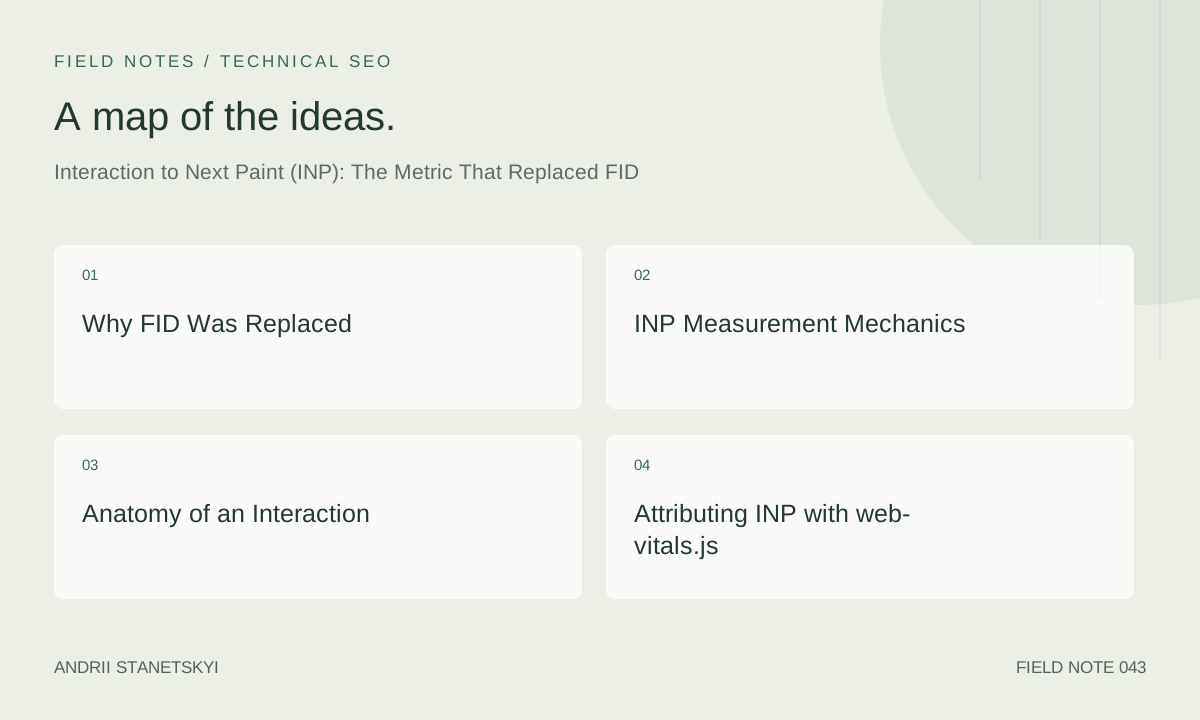
In March 2024, Google officially promoted Interaction to Next Paint (INP) from experimental status to a Core Web Vital, simultaneously retiring First Input Delay (FID). This was not…
Read the field note ↗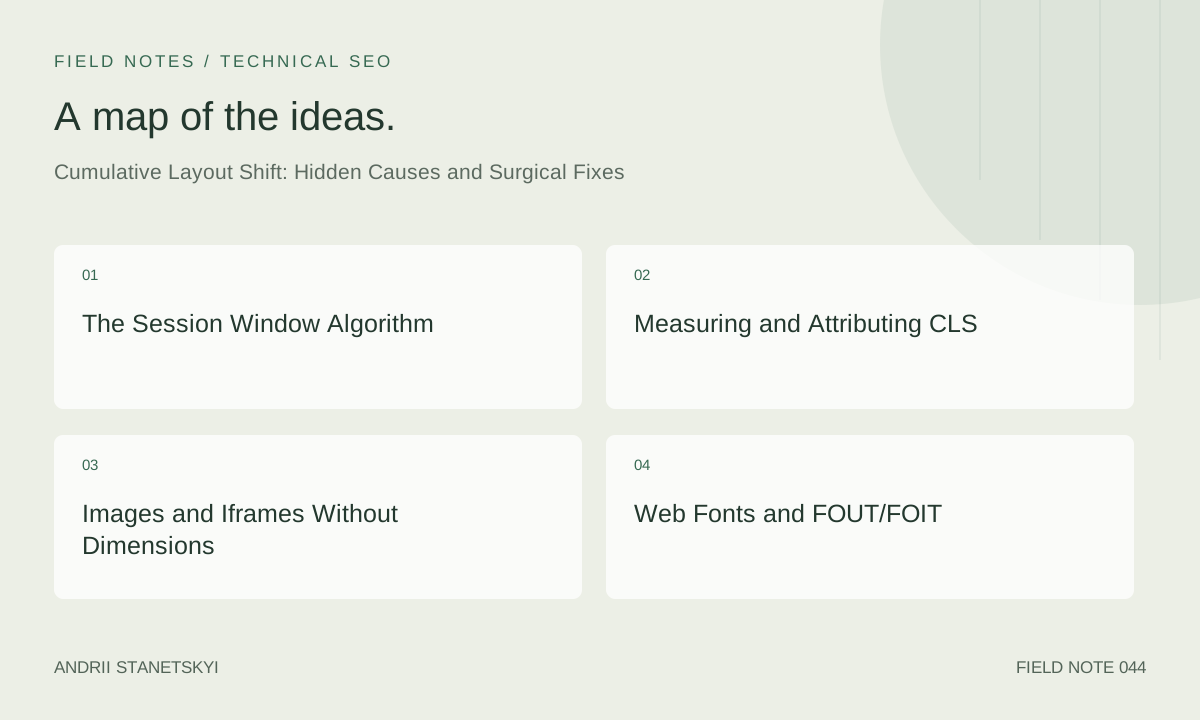
Cumulative Layout Shift (CLS) is the Core Web Vital that causes the most confusion in practice — not because the metric is complex, but because its causes are. A developer looking…
Read the field note ↗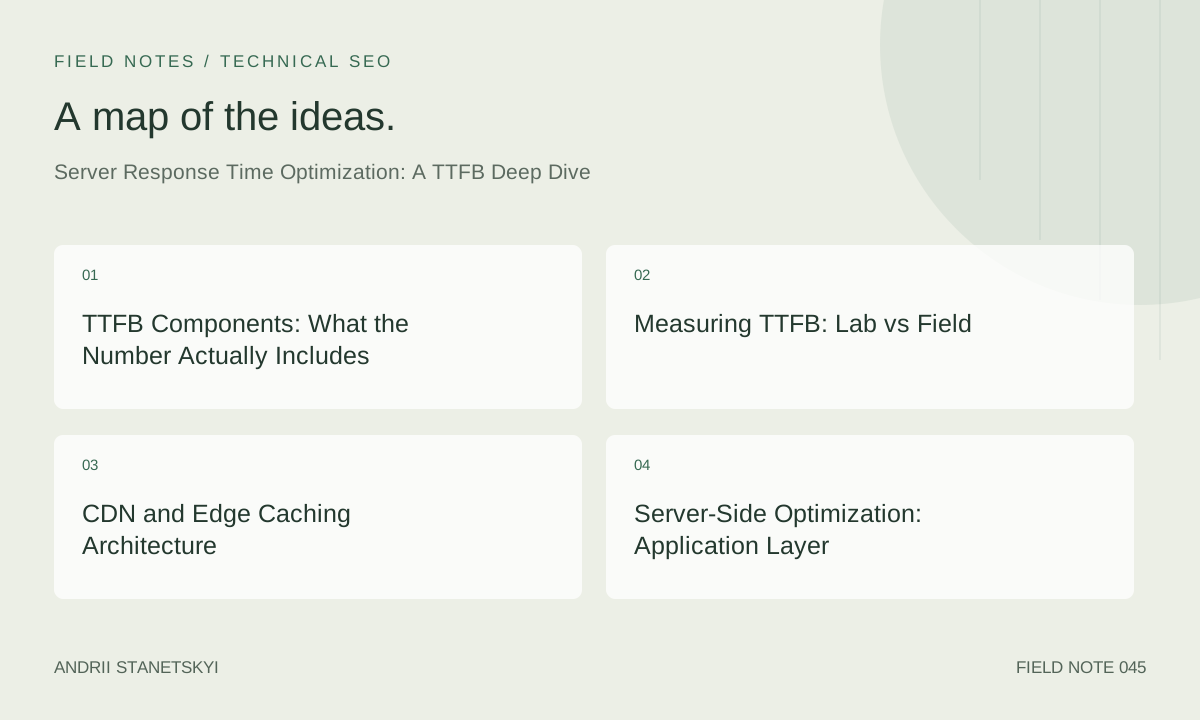
Time to First Byte (TTFB) is not a Core Web Vital, but it is the foundation on which every other performance metric is built. A TTFB of 1.5 seconds consumes 60% of the budget needed…
Read the field note ↗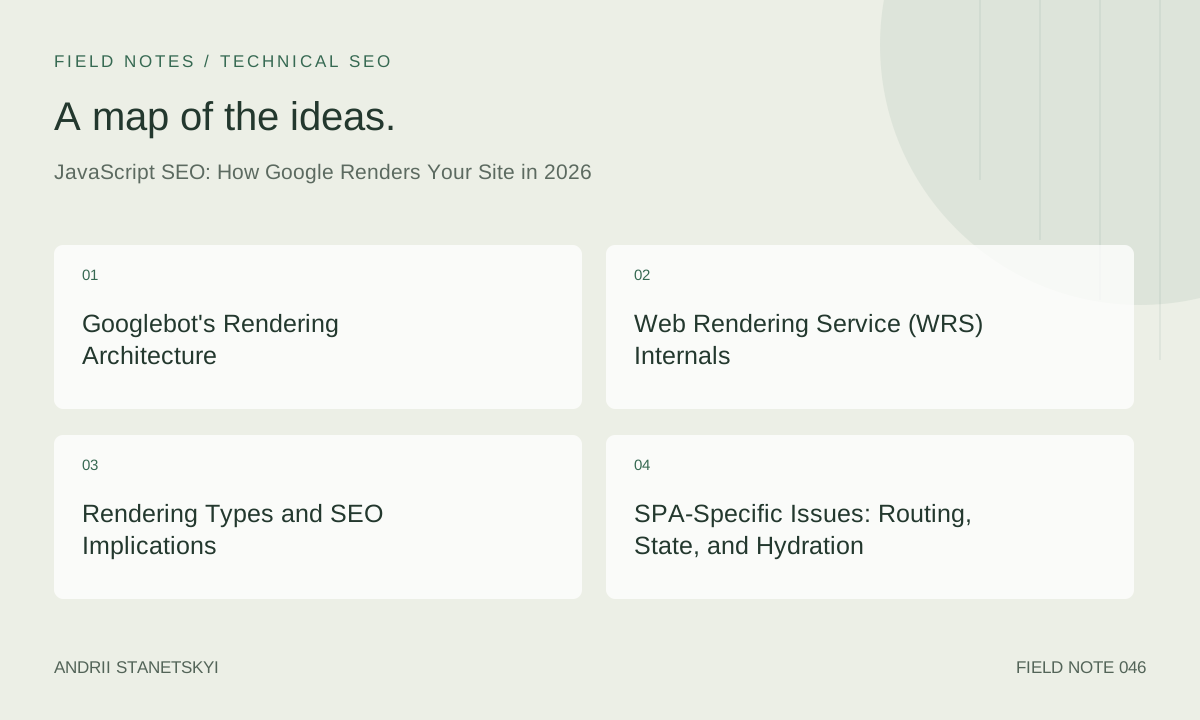
JavaScript SEO sits at the intersection of two disciplines that each get half the picture wrong in isolation. Frontend developers underestimate how differently Googlebot's rendering…
Read the field note ↗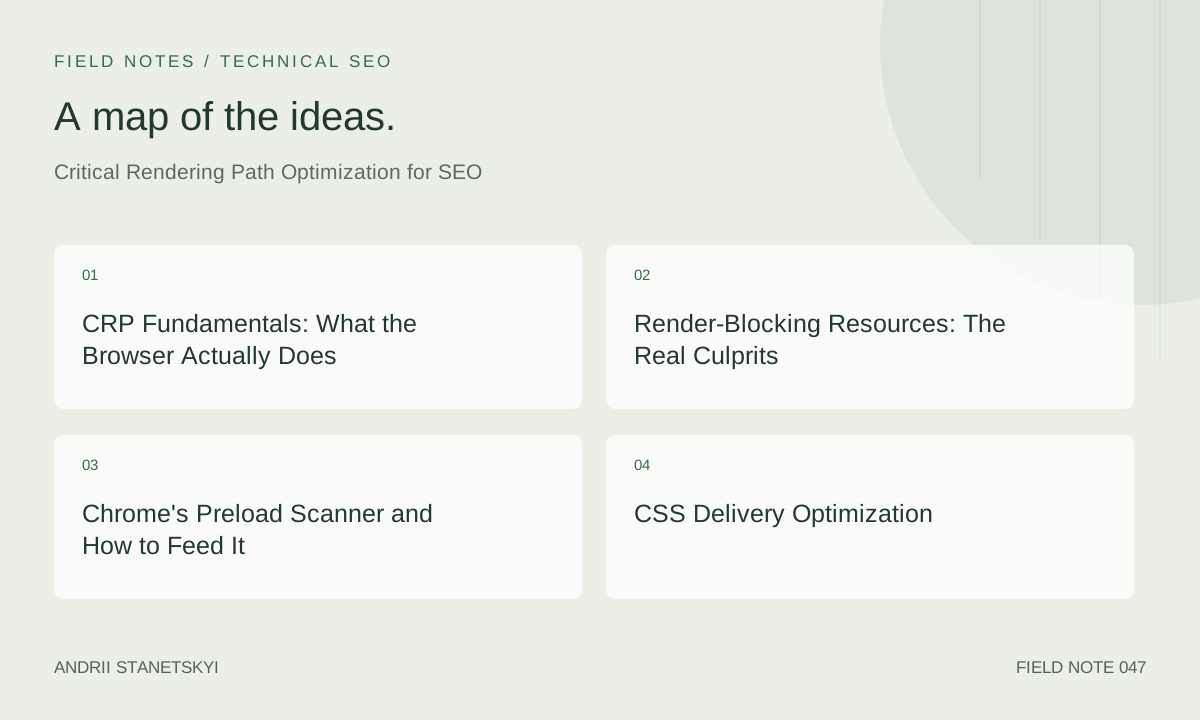
The critical rendering path (CRP) is the sequence of steps a browser must complete before it can paint the first pixels to the screen. Every millisecond spent parsing HTML, fetching…
Read the field note ↗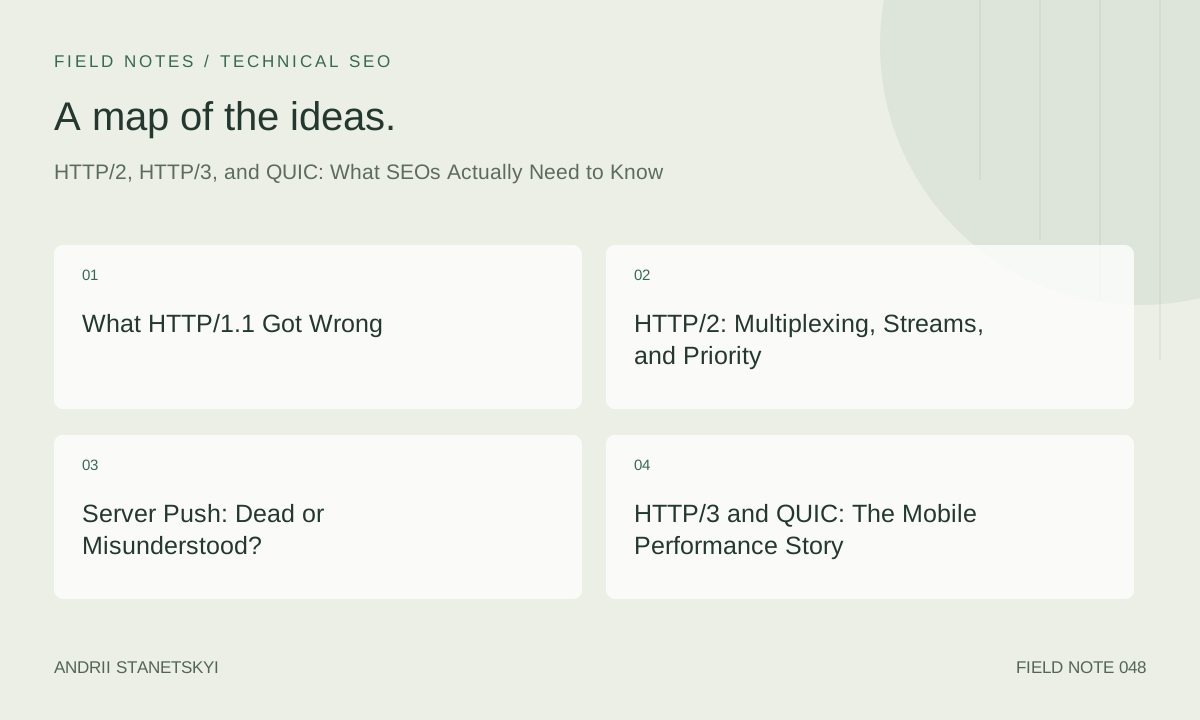
HTTP/2 shipped in 2015 and promised to fix the web's performance problems. HTTP/3 shipped in 2022 and made even bolder claims. As of 2026, over 60% of the top 10 million websites…
Read the field note ↗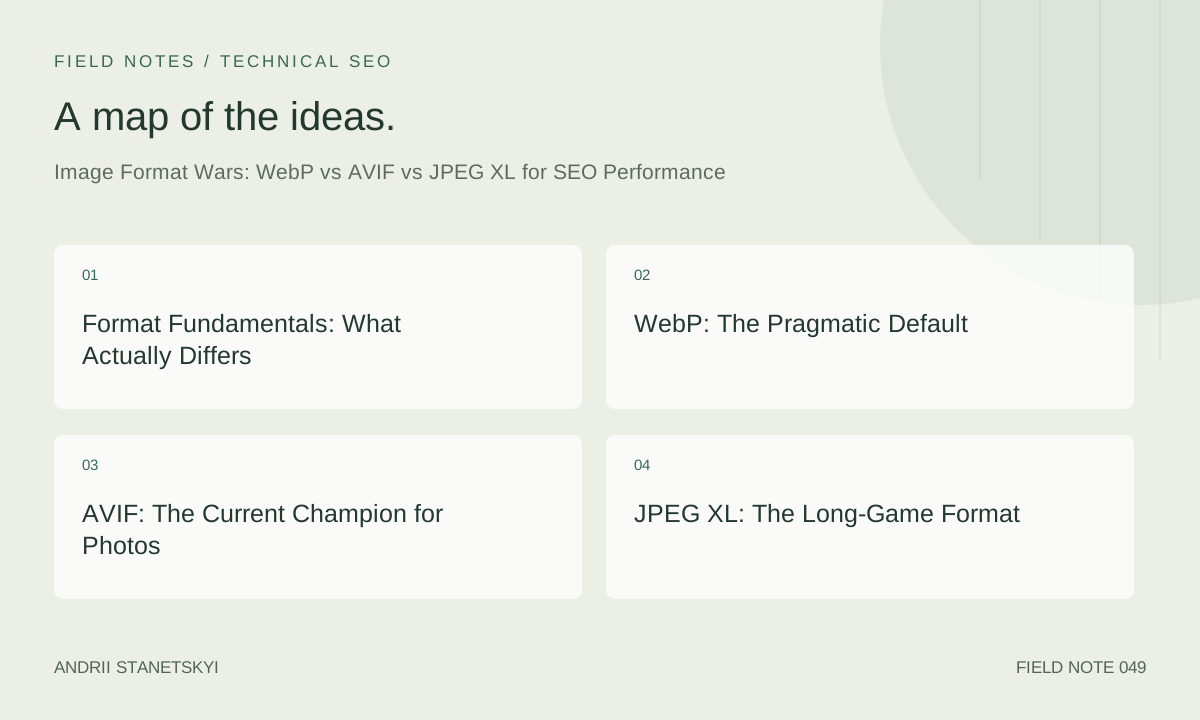
Images account for 50–70% of total page weight on most content-heavy websites. They are also the most common source of LCP candidates and a primary driver of bandwidth costs for…
Read the field note ↗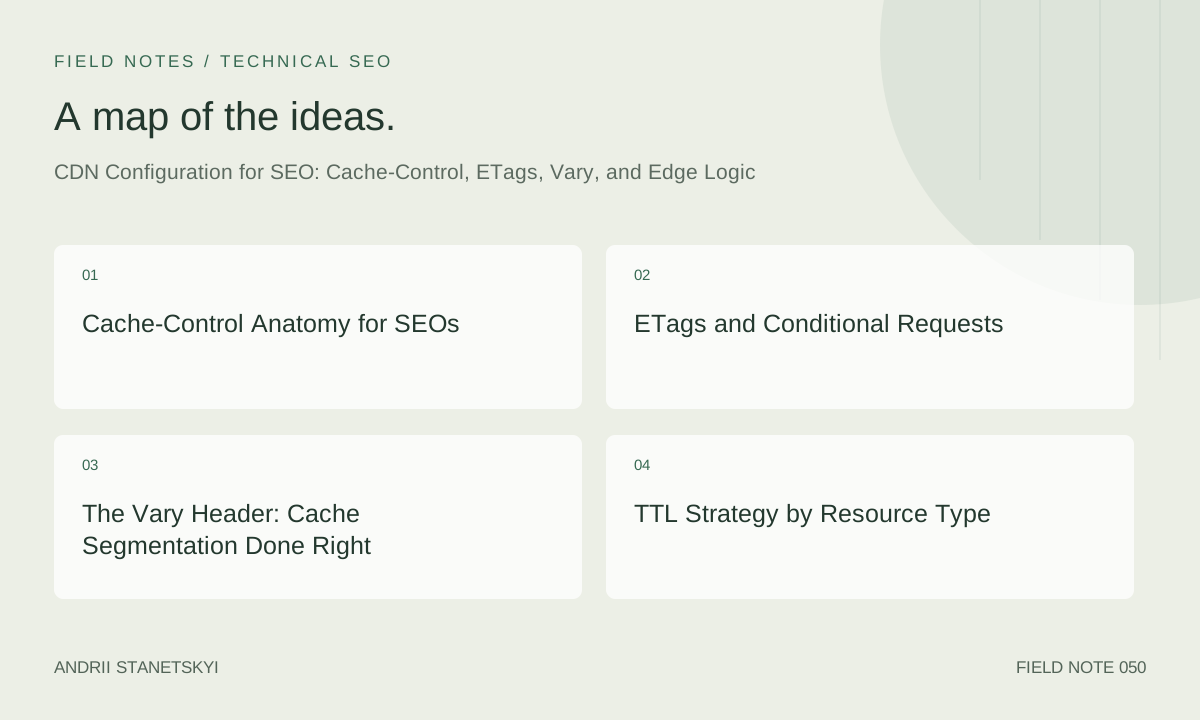
A CDN is not a magic performance button you flip on. Poorly configured CDNs actively harm SEO: stale canonical URLs cached at the edge, Vary header mismanagement breaking…
Read the field note ↗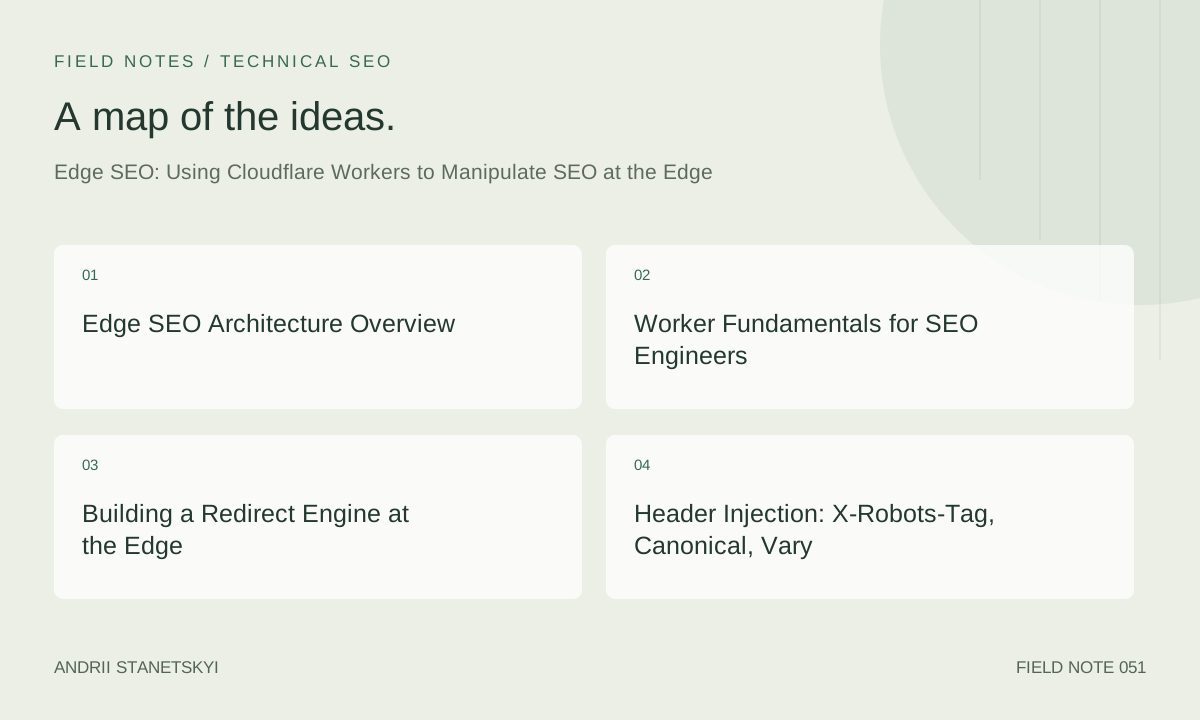
The proxy layer between origin and crawler is the most underutilized surface in technical SEO. While most practitioners debate meta tags and internal link structure, a small cohort…
Read the field note ↗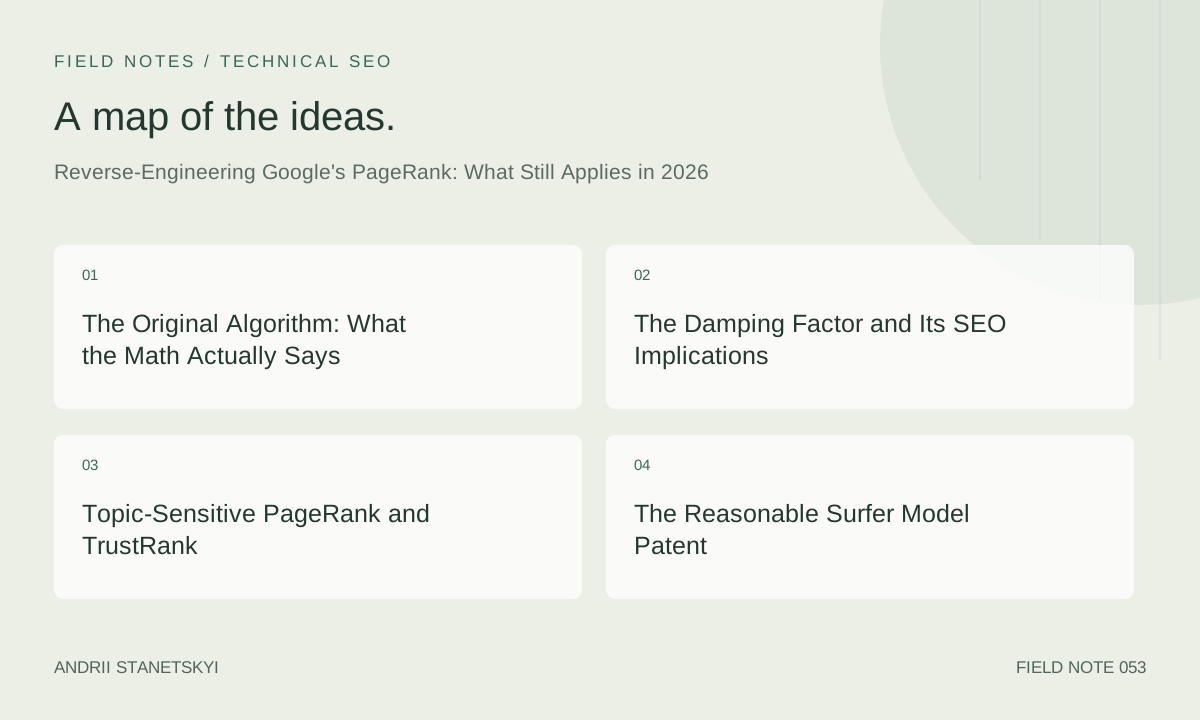
The original PageRank paper by Brin and Page (1998) remains one of the most cited computer science papers in history. What is less understood is how far Google has moved from that…
Read the field note ↗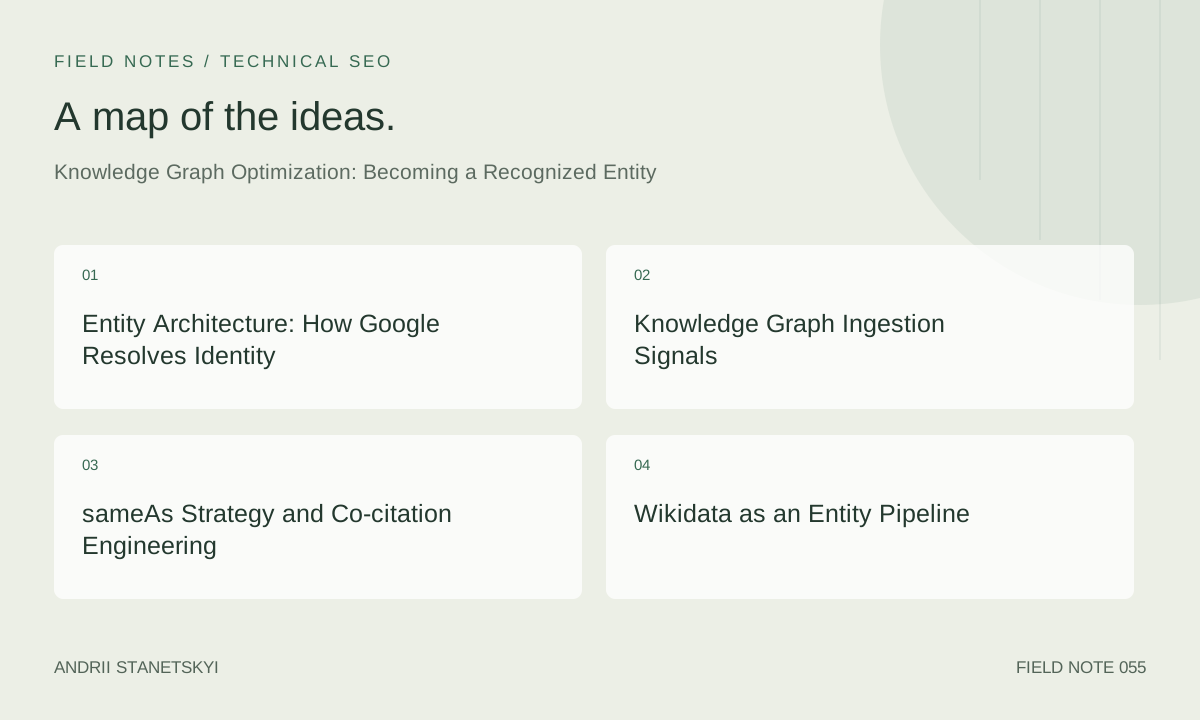
Google's Knowledge Graph holds over 500 billion facts about 5 billion entities. If your brand, person, or organization isn't in it, you're invisible to a growing set of zero-click…
Read the field note ↗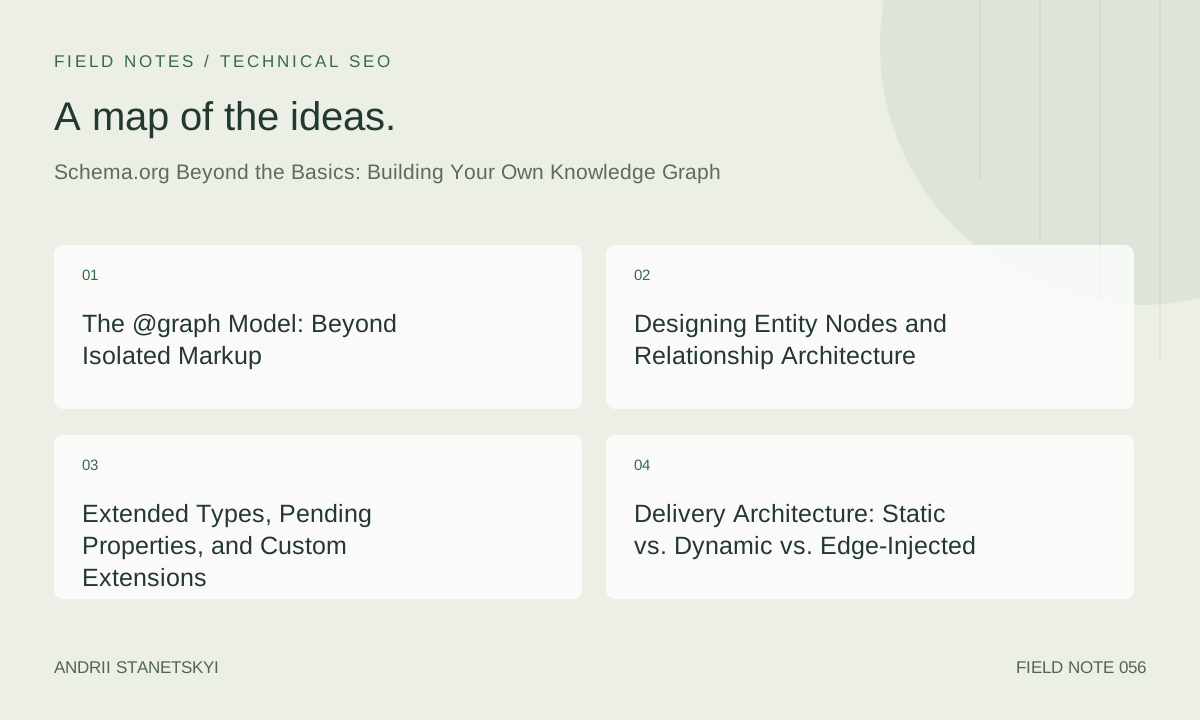
Most Schema.org implementations are shallow: a Product type here, a BreadcrumbList there, disconnected JSON-LD blobs that Google processes in isolation. A senior practitioner…
Read the field note ↗