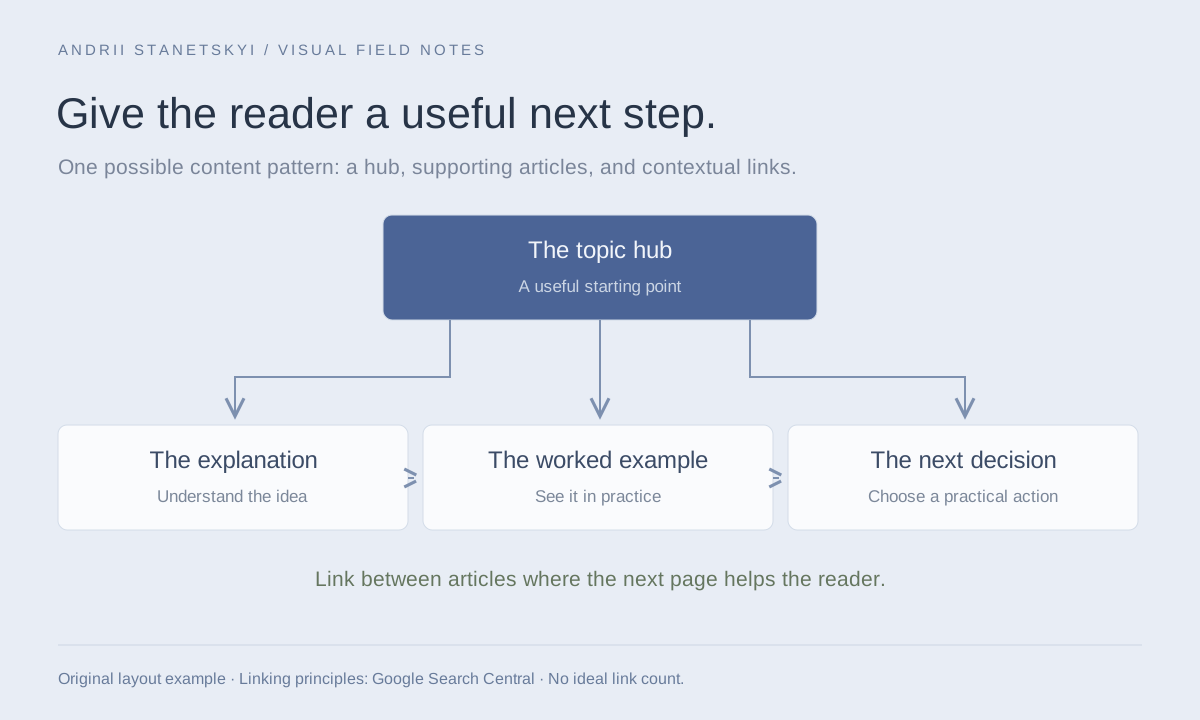
The era of targeting individual keywords with individual pages is effectively over for any domain operating in a competitive niche. What replaced it—properly understood—is not…
Read the field note ↗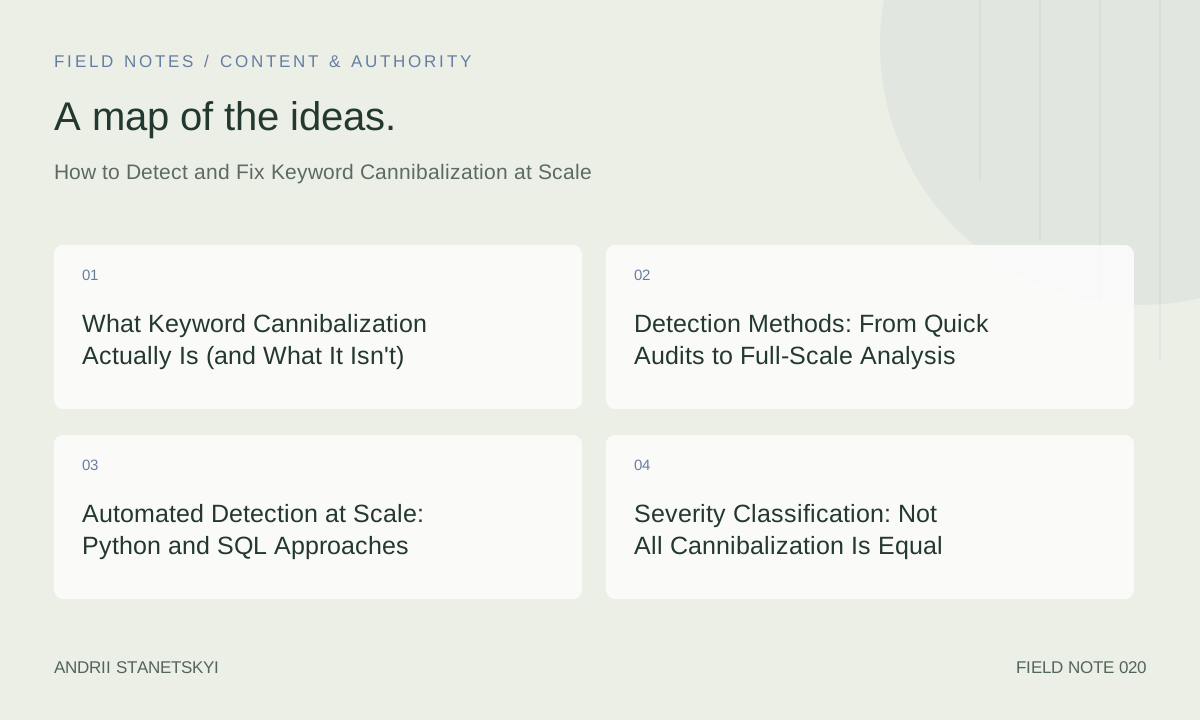
Keyword cannibalization is one of those SEO problems that accumulates quietly. A site adds pages for three years, each new writer targets "the important keywords," and by the time…
Read the field note ↗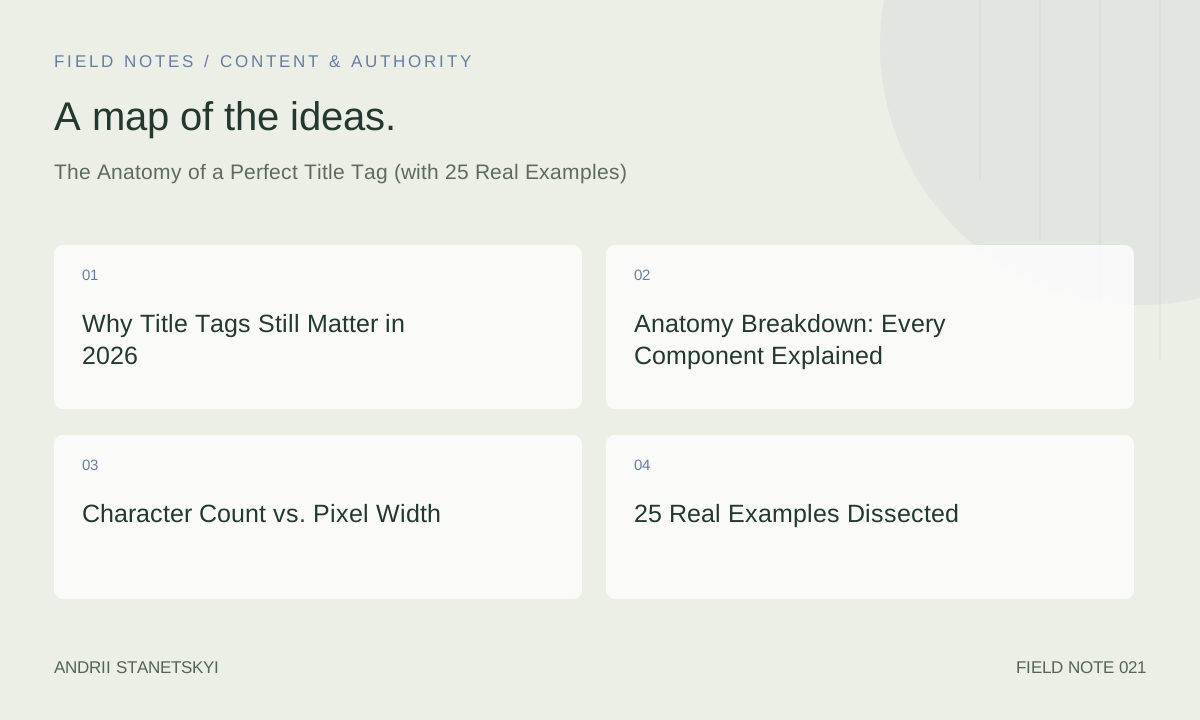
Title tags remain the single highest-leverage on-page element in your control. They influence click-through rate, entity disambiguation, brand recall, and — despite what you've…
Read the field note ↗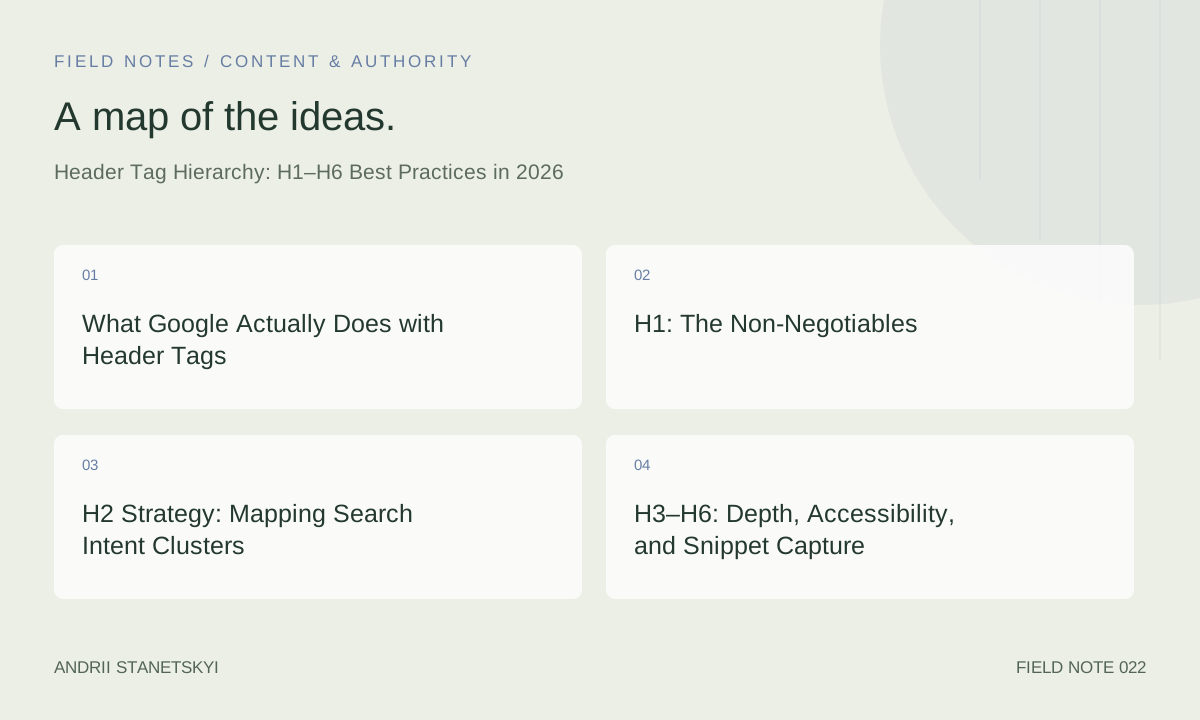
Most SEO teams get header tags half-right. They put the primary keyword in the H1, slap H2s on major sections, and call it done. That's a shallow reading of a system that, when…
Read the field note ↗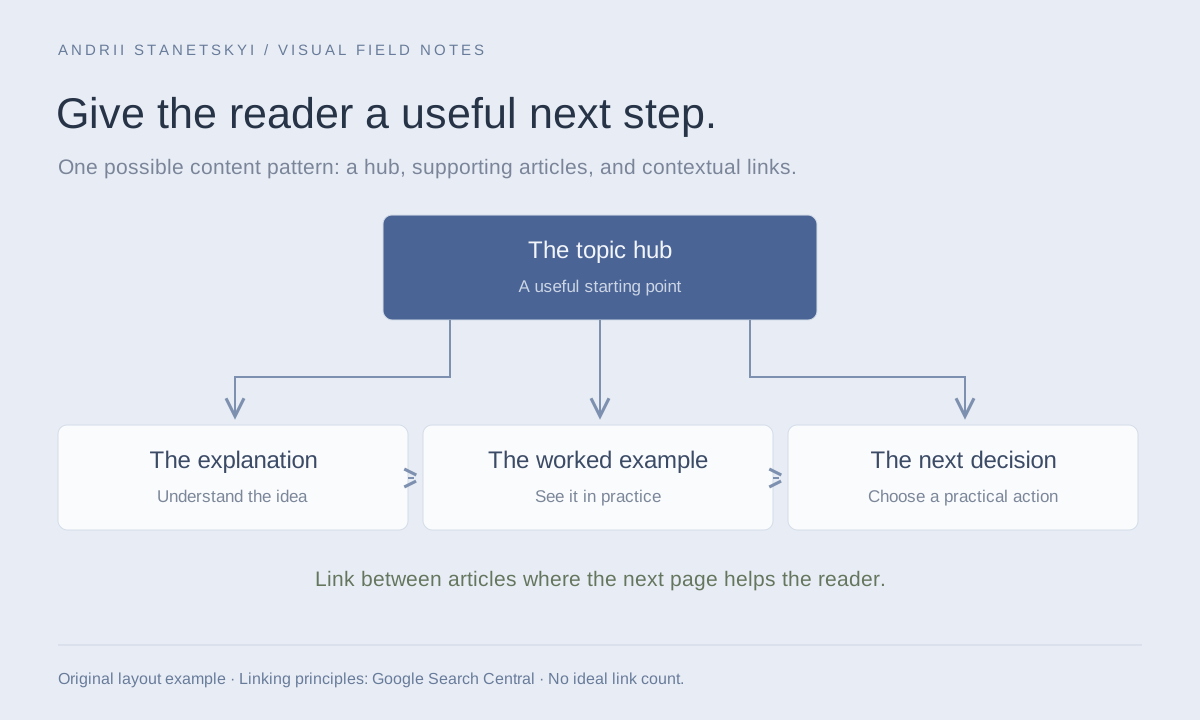
Internal linking is PageRank sculpting — and most SEO teams are doing it by feel rather than by data. A rigorous internal linking strategy combines crawl depth analysis, PageRank…
Read the field note ↗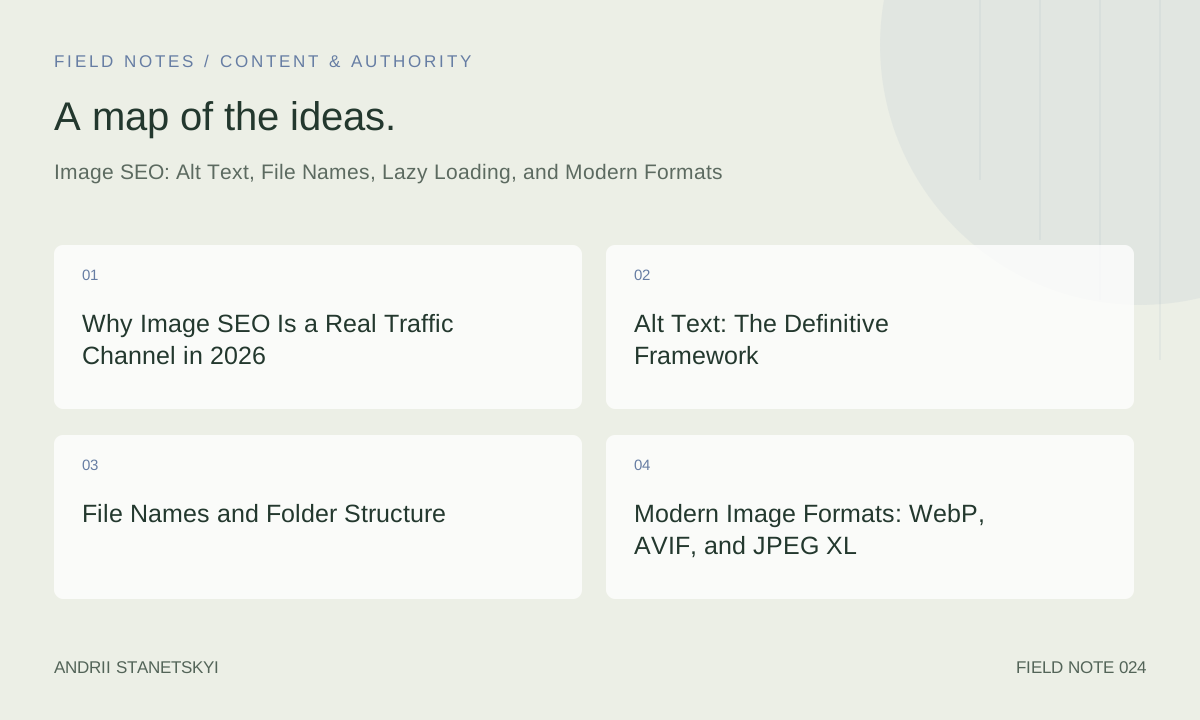
Images are simultaneously one of the most valuable traffic sources in SEO and one of the most neglected. Google Images drives billions of searches monthly. Image carousels appear in…
Read the field note ↗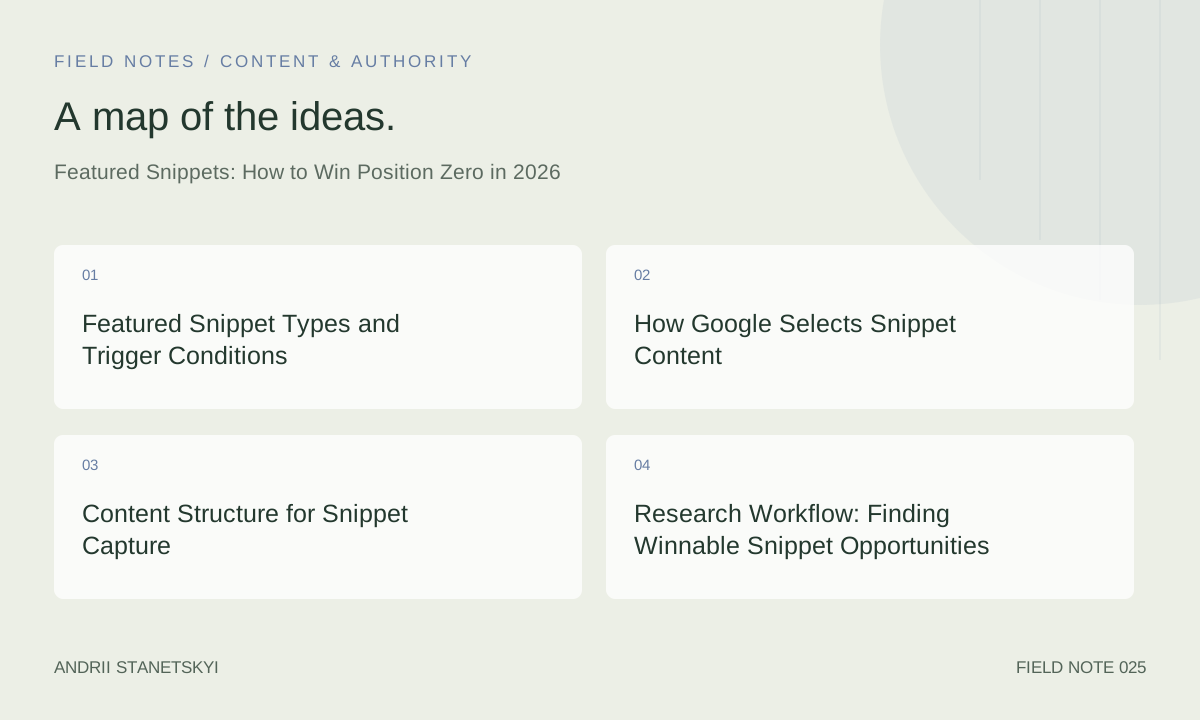
Position zero isn't a myth, it isn't dying, and it isn't equally accessible to all content. In 2026, featured snippets appear for roughly 12.3% of all searches (SemRush, Q1 2026…
Read the field note ↗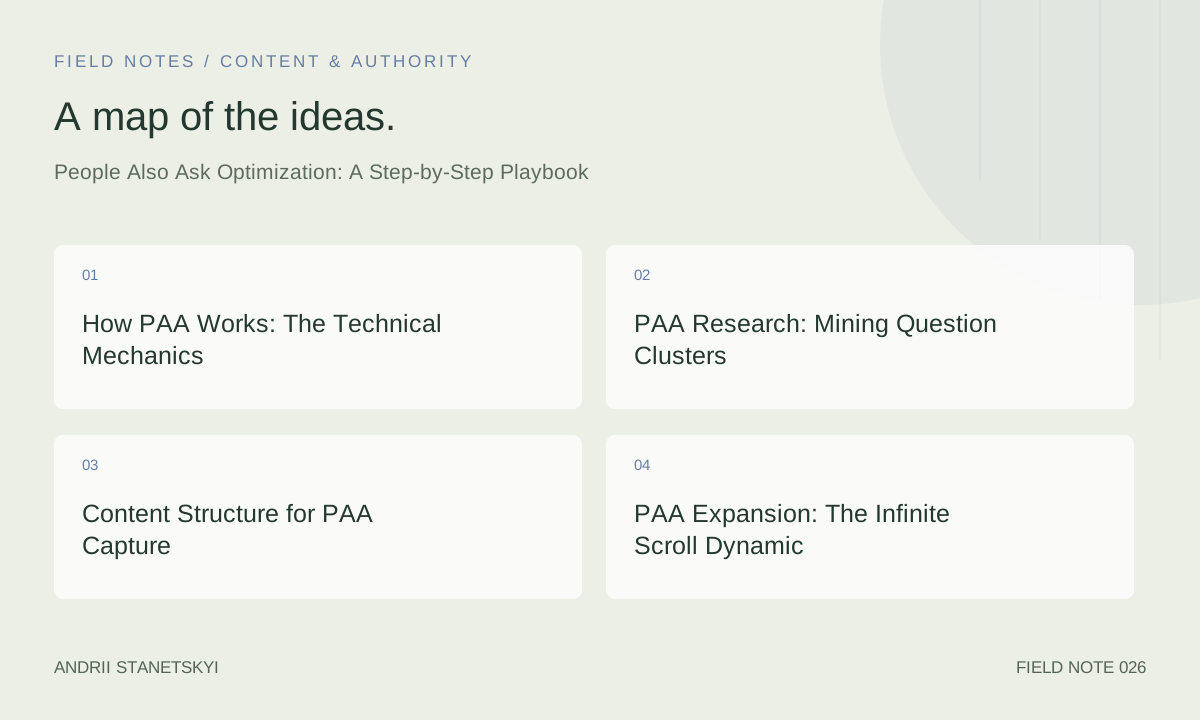
People Also Ask boxes appear in approximately 48% of all Google SERPs in 2026 — more frequently than featured snippets, more frequently than knowledge panels for most queries, and…
Read the field note ↗
Most enterprise sites are carrying dead weight they don't know about. Pages that rank for nothing, earn no links, drive no conversions, and dilute the topical authority of…
Read the field note ↗
URL structure is one of those topics where bad advice gets recycled endlessly. "Keep URLs short." "Include keywords." "Avoid dynamic parameters." These rules have a kernel of truth…
Read the field note ↗
E-E-A-T is not a ranking factor. This distinction matters, and confusing it with direct algorithmic input is what leads to unfalsifiable SEO theater: adding author bios, slapping…
Read the field note ↗
Meta descriptions don't directly affect rankings. Google rewrites them approximately 70% of the time anyway. And yet, the meta description is one of the highest-leverage on-page…
Read the field note ↗