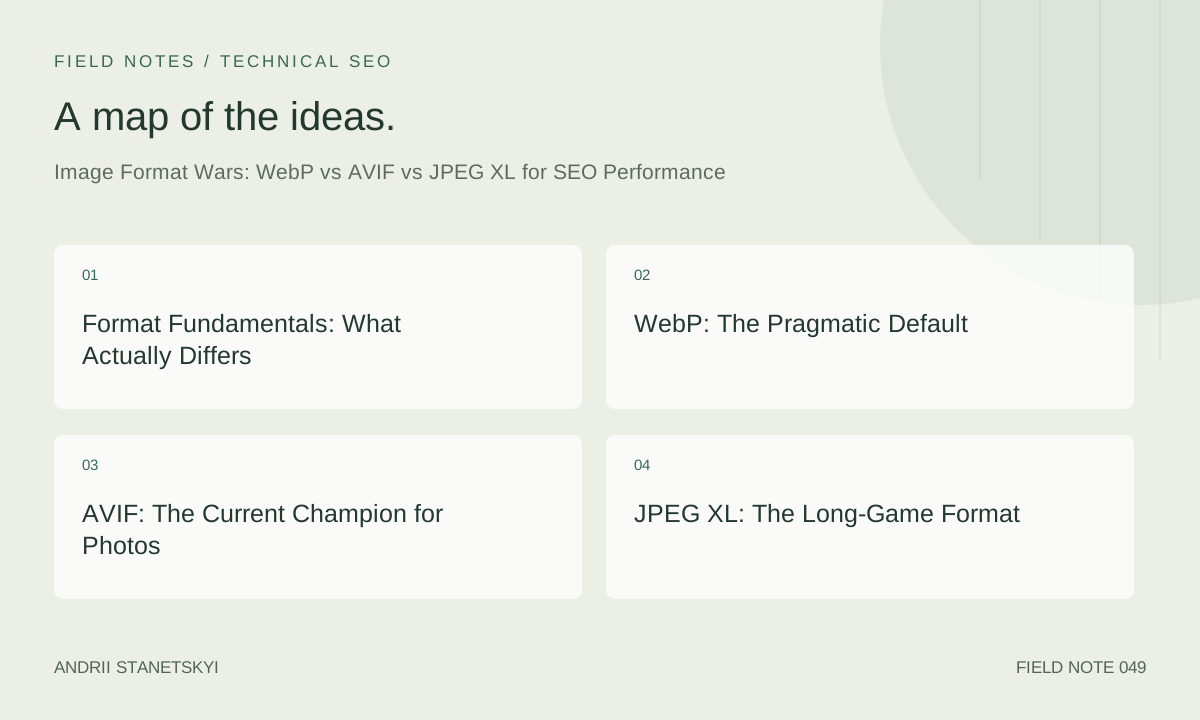
Images account for 50–70% of total page weight on most content-heavy websites. They are also the most common source of LCP candidates and a primary driver of bandwidth costs for…
Read the field note ↗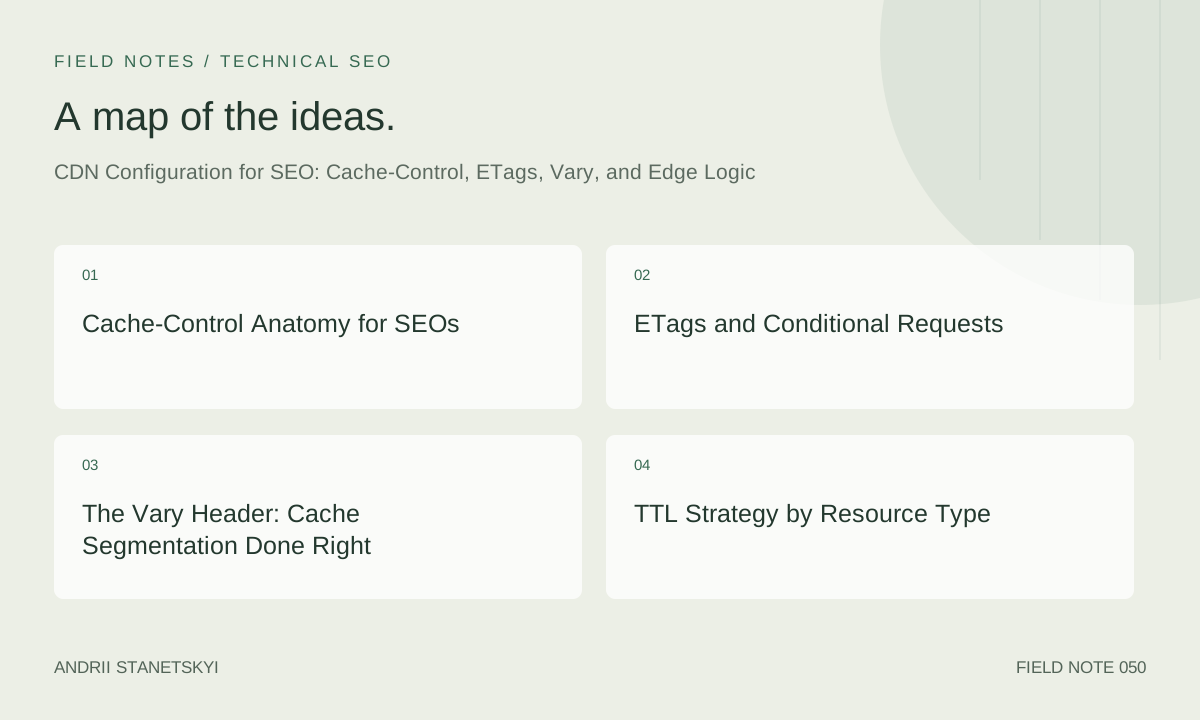
A CDN is not a magic performance button you flip on. Poorly configured CDNs actively harm SEO: stale canonical URLs cached at the edge, Vary header mismanagement breaking…
Read the field note ↗
The proxy layer between origin and crawler is the most underutilized surface in technical SEO. While most practitioners debate meta tags and internal link structure, a small cohort…
Read the field note ↗
Screaming Frog, Sitebulb, and DeepCrawl are excellent tools for standard audits. They are not excellent for custom signal extraction, real-time crawl integration with BigQuery…
Read the field note ↗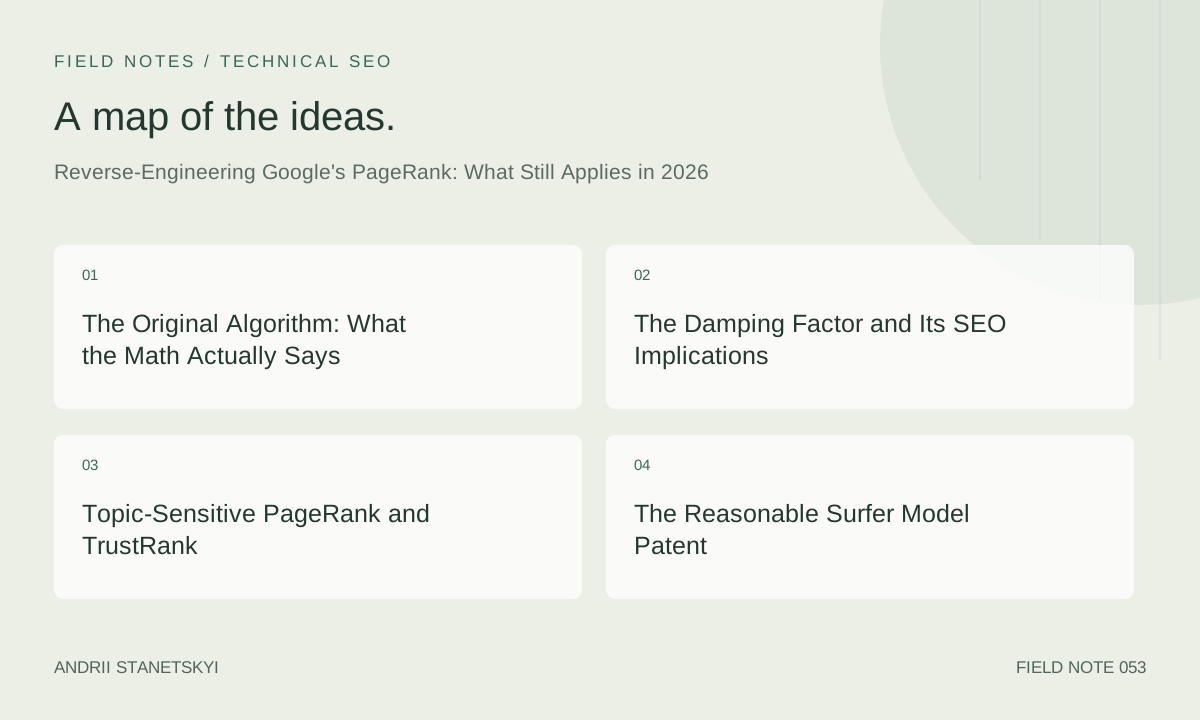
The original PageRank paper by Brin and Page (1998) remains one of the most cited computer science papers in history. What is less understood is how far Google has moved from that…
Read the field note ↗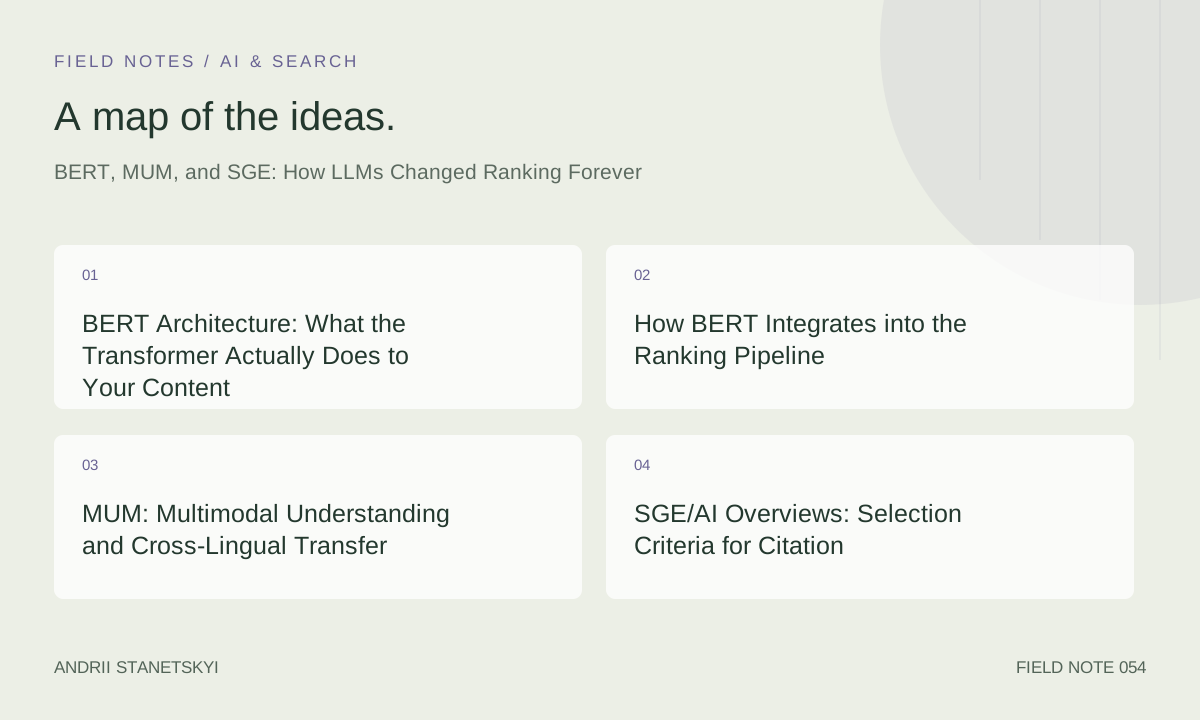
When Google announced BERT in October 2019, the SEO community's initial response was predictable: keyword density adjustments, entity stuffing, and "write naturally" platitudes.…
Read the field note ↗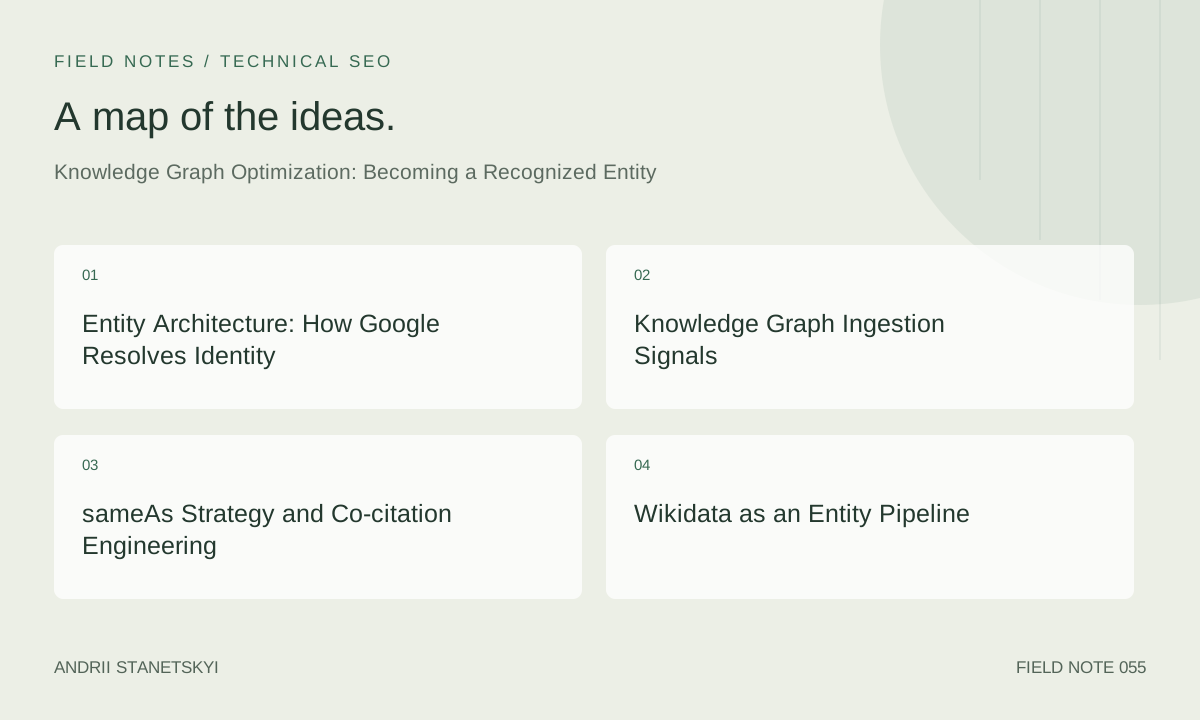
Google's Knowledge Graph holds over 500 billion facts about 5 billion entities. If your brand, person, or organization isn't in it, you're invisible to a growing set of zero-click…
Read the field note ↗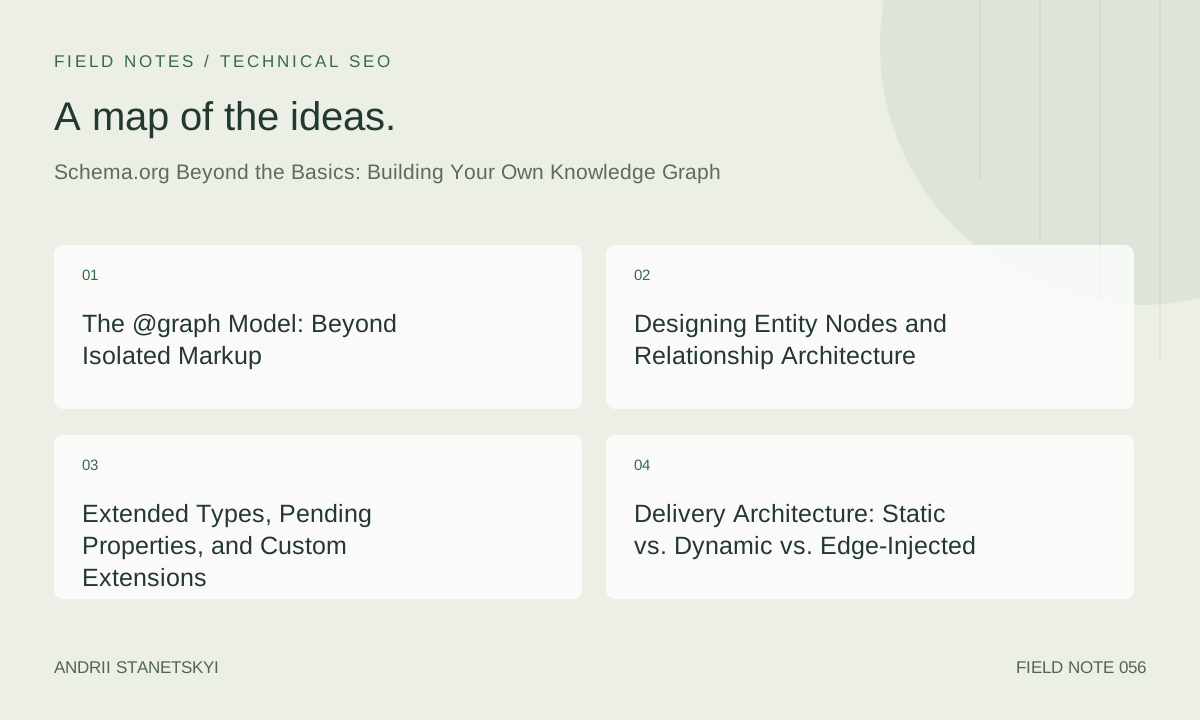
Most Schema.org implementations are shallow: a Product type here, a BreadcrumbList there, disconnected JSON-LD blobs that Google processes in isolation. A senior practitioner…
Read the field note ↗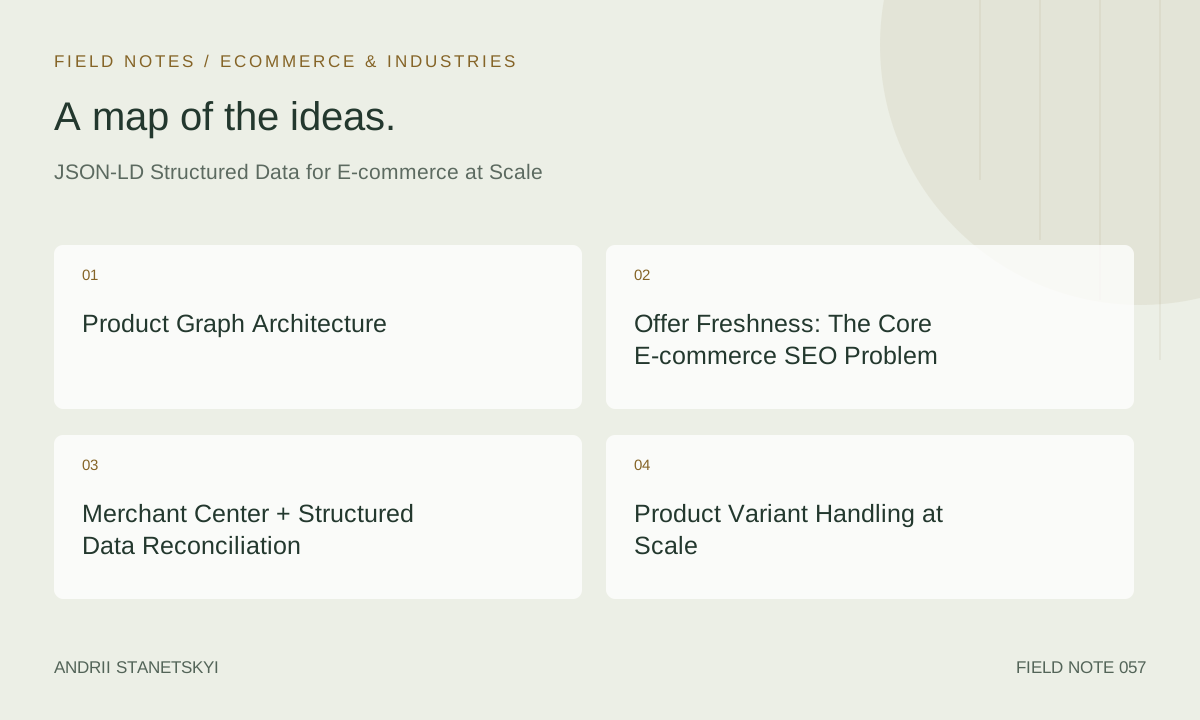
E-commerce structured data is where the gap between knowing the spec and operating at scale becomes brutally obvious. A catalog of 500,000 SKUs with accurate pricing, availability,…
Read the field note ↗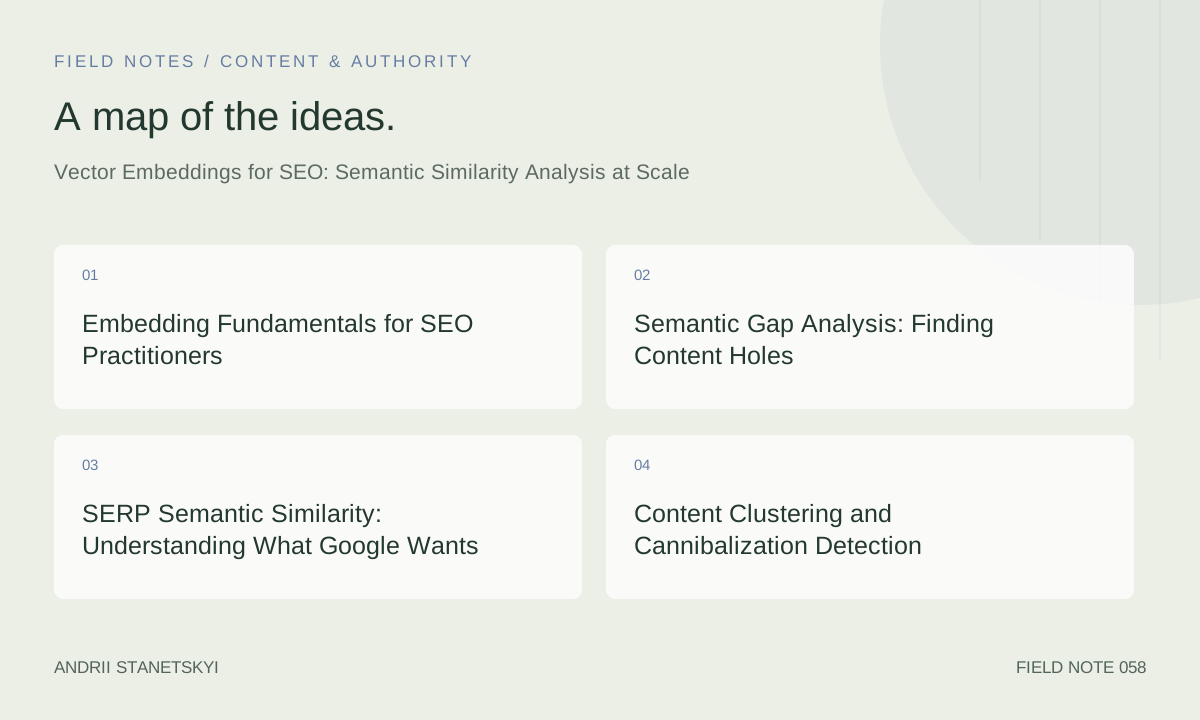
The shift from keyword matching to semantic understanding in search engines isn't metaphorical — it's a specific architectural change from BM25-style term frequency scoring to dense…
Read the field note ↗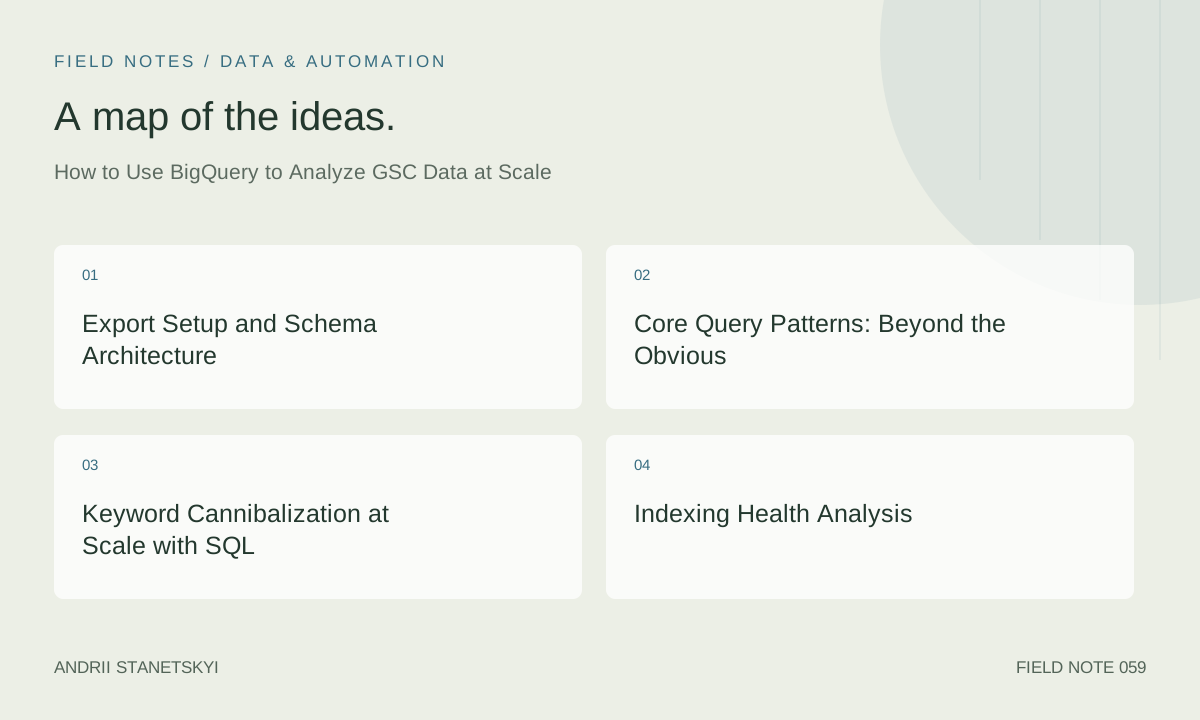
The Google Search Console UI is a toy for the scale of analysis that actually drives decisions. 16-month data retention, 1,000-row export limits, no cross-property queries, no JOIN…
Read the field note ↗