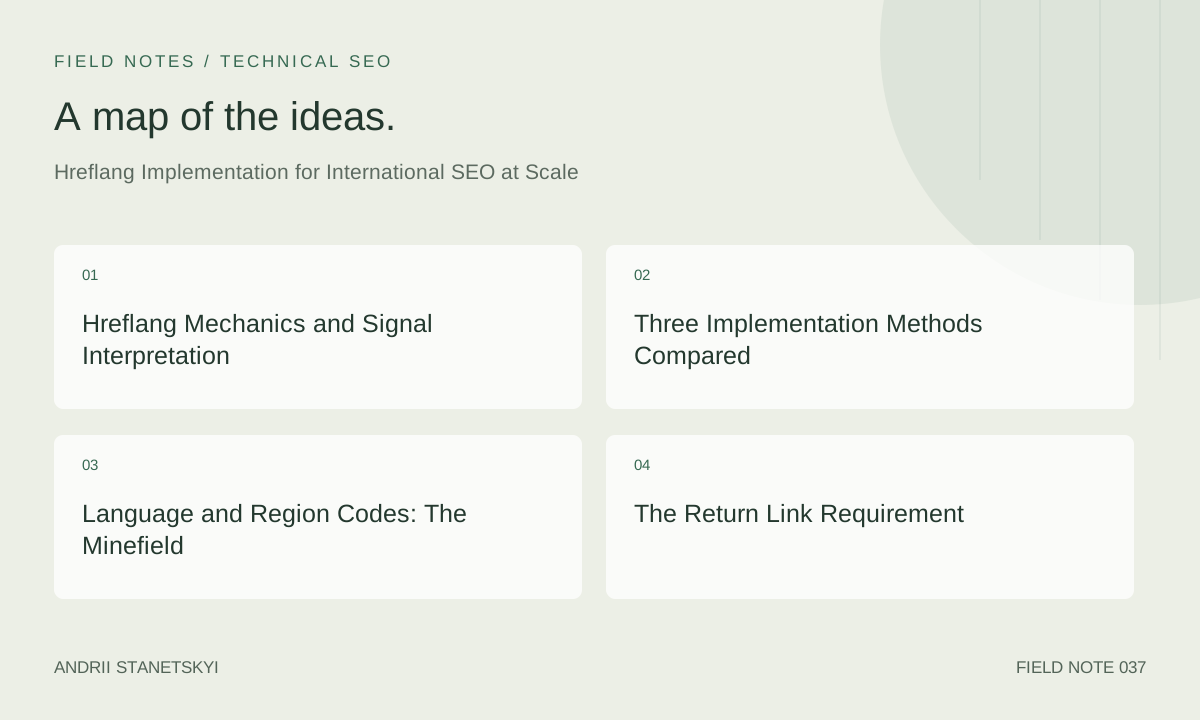
Hreflang is the specification that most international SEO implementations get wrong, not because the concept is hard, but because the failure modes are subtle and the feedback loop…
Read the field note ↗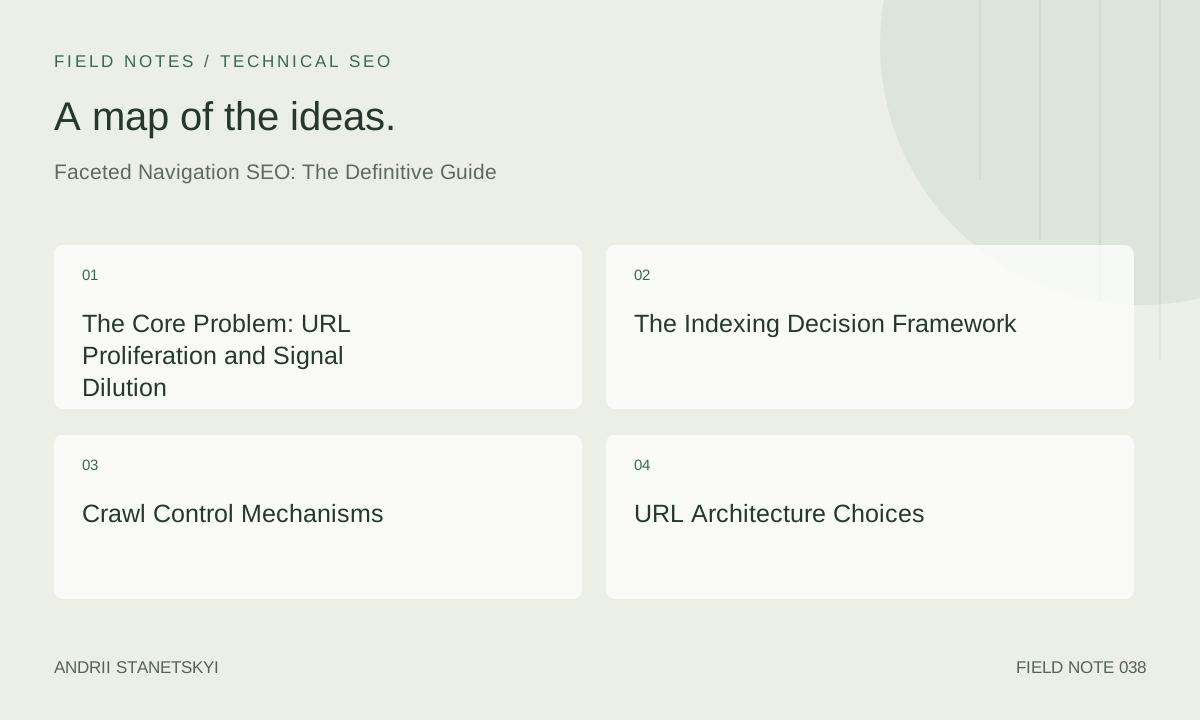
Faceted navigation generates more SEO problems per feature launch than almost anything else in e-commerce architecture. A single mid-size product catalog with 8 filter dimensions…
Read the field note ↗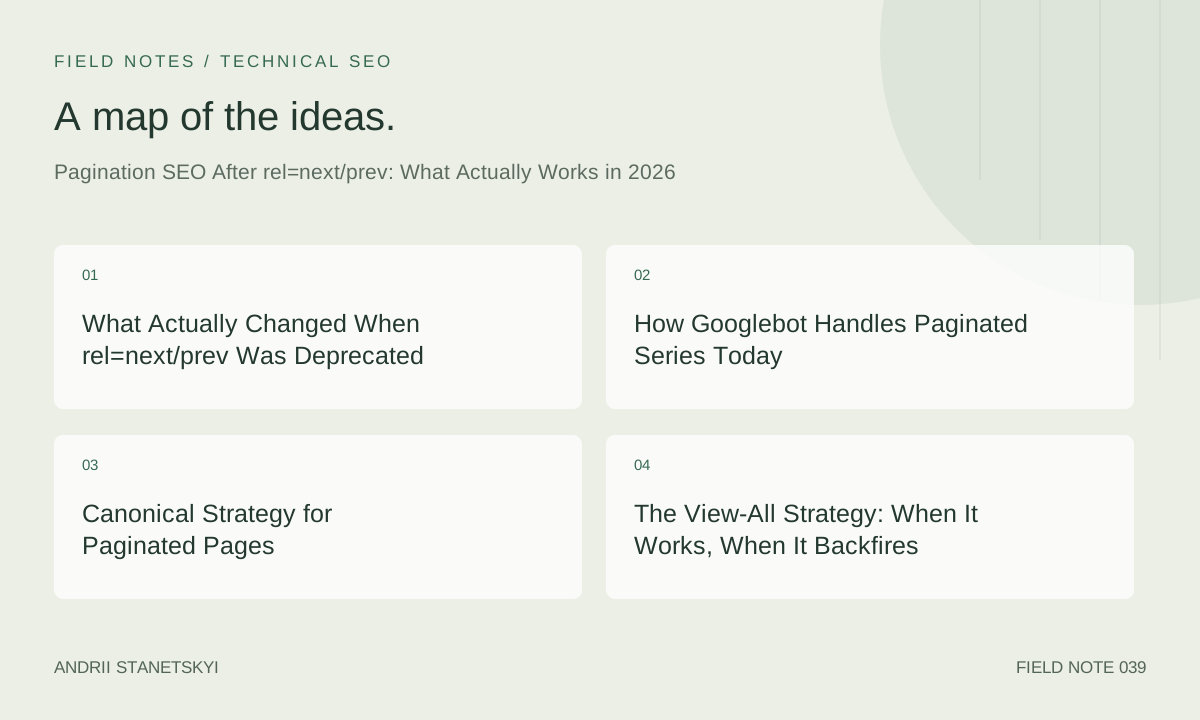
Google deprecated rel=next/prev in 2019 and confirmed it had never used it as a ranking signal — only as a canonicalization hint. The SEO community collectively went through the…
Read the field note ↗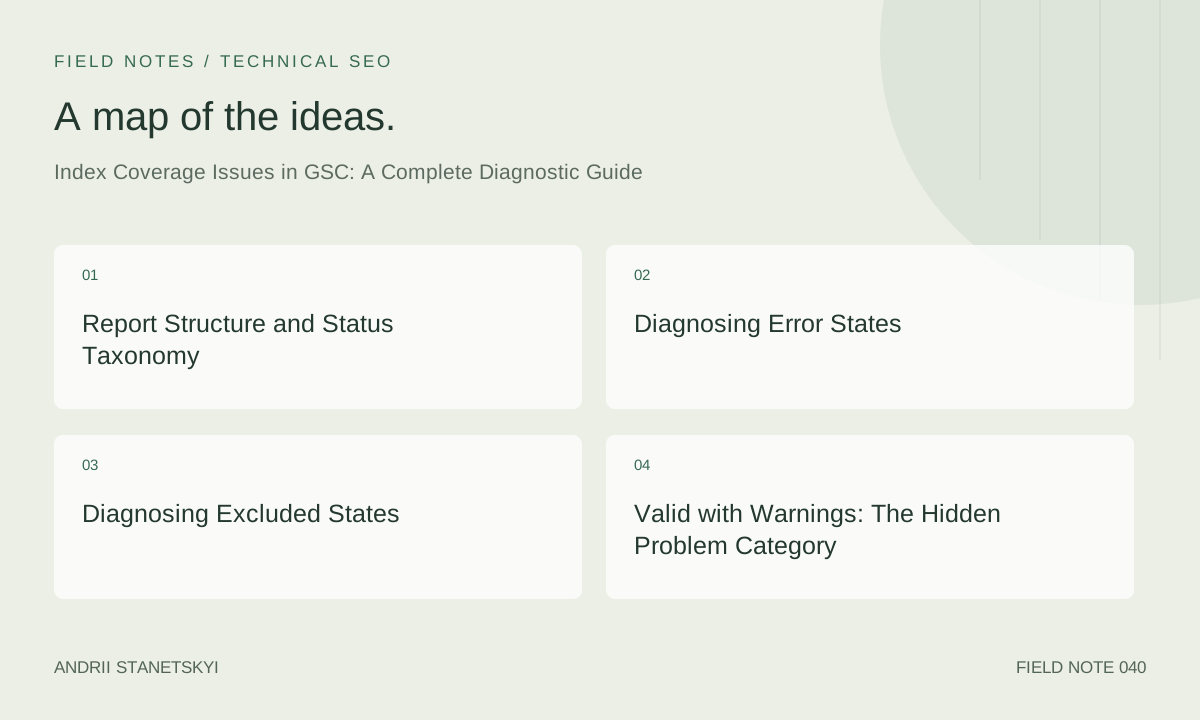
Google Search Console's Index Coverage report is simultaneously one of the most useful and most misread tools in technical SEO. Most practitioners treat it as a status dashboard —…
Read the field note ↗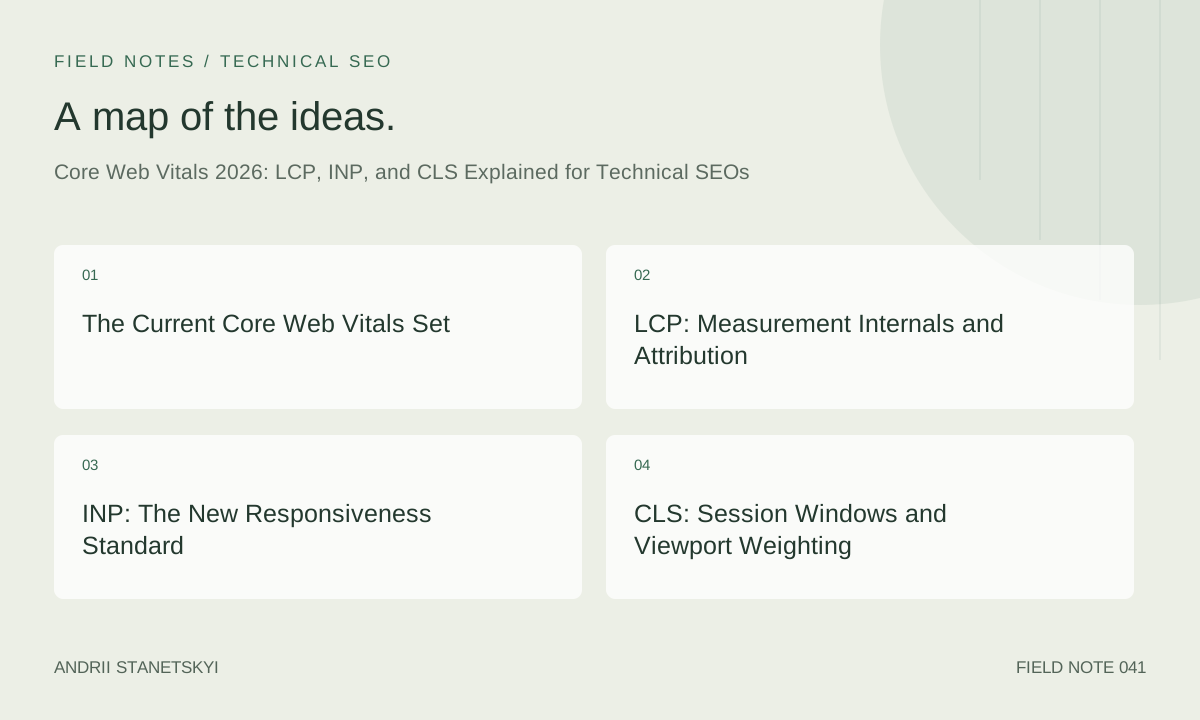
Core Web Vitals are not a checkbox exercise. They are Google's operationalized definition of page experience quality, and they feed directly into ranking signals across Search,…
Read the field note ↗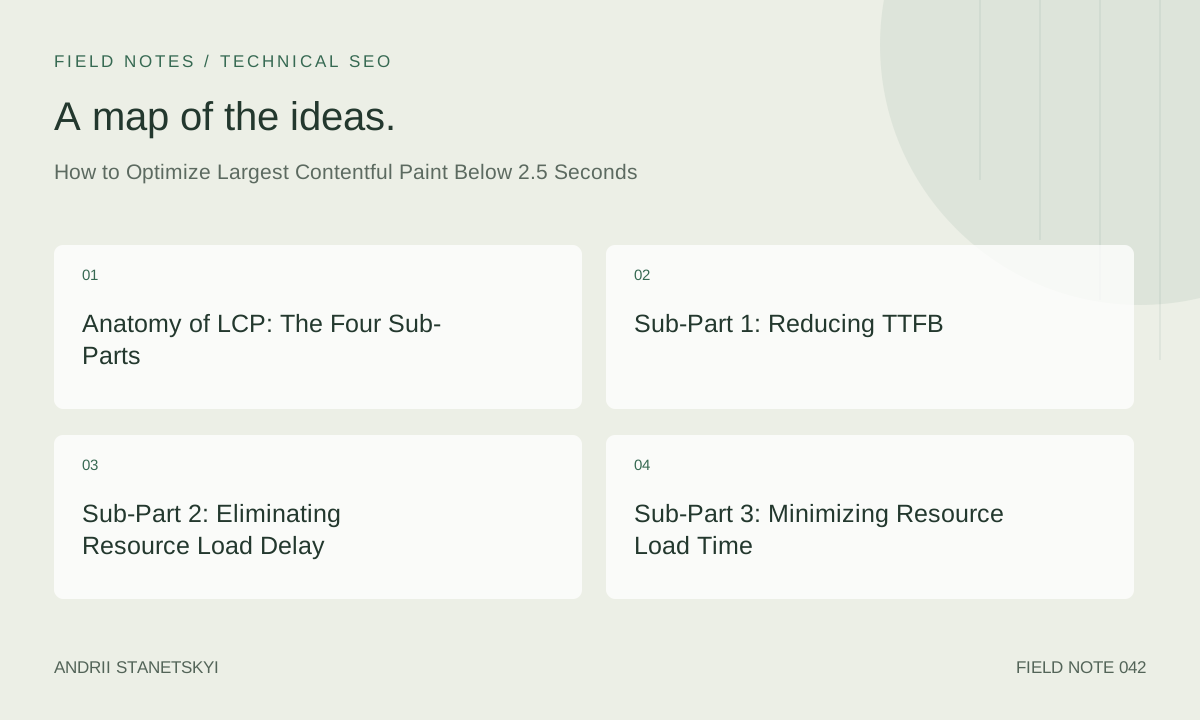
Getting LCP below 2.5 seconds is the single most impactful Core Web Vitals optimization most sites can make — it directly affects the metric with the clearest correlation to both…
Read the field note ↗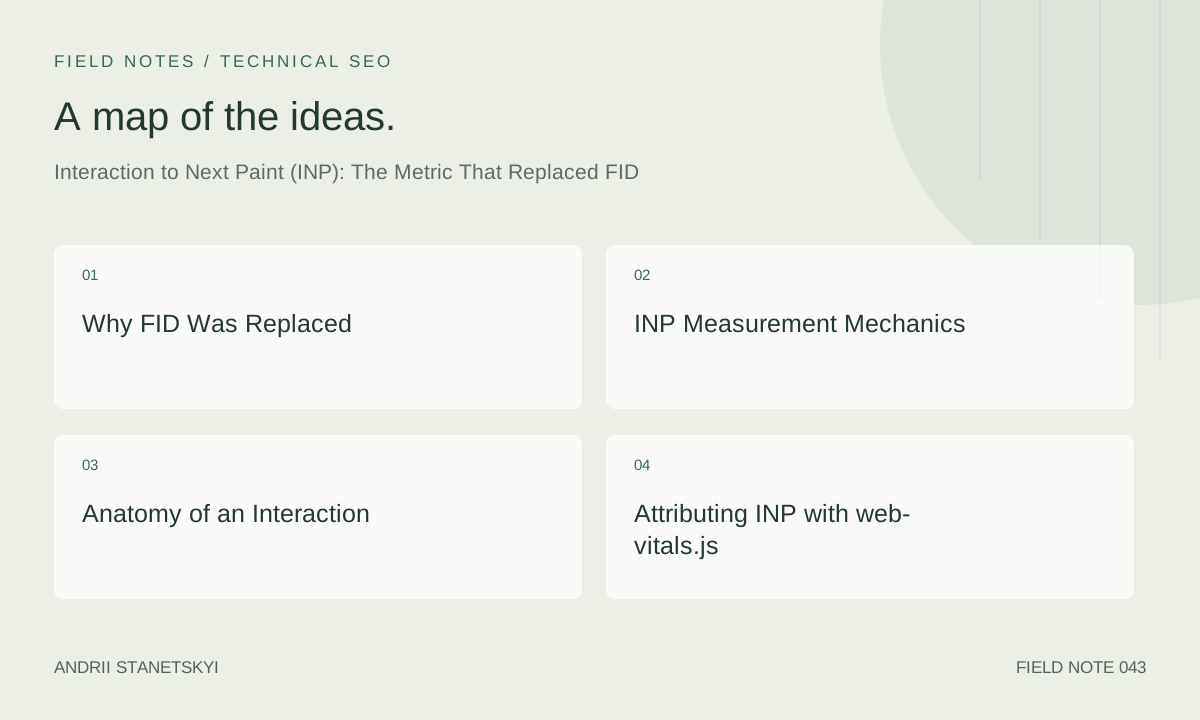
In March 2024, Google officially promoted Interaction to Next Paint (INP) from experimental status to a Core Web Vital, simultaneously retiring First Input Delay (FID). This was not…
Read the field note ↗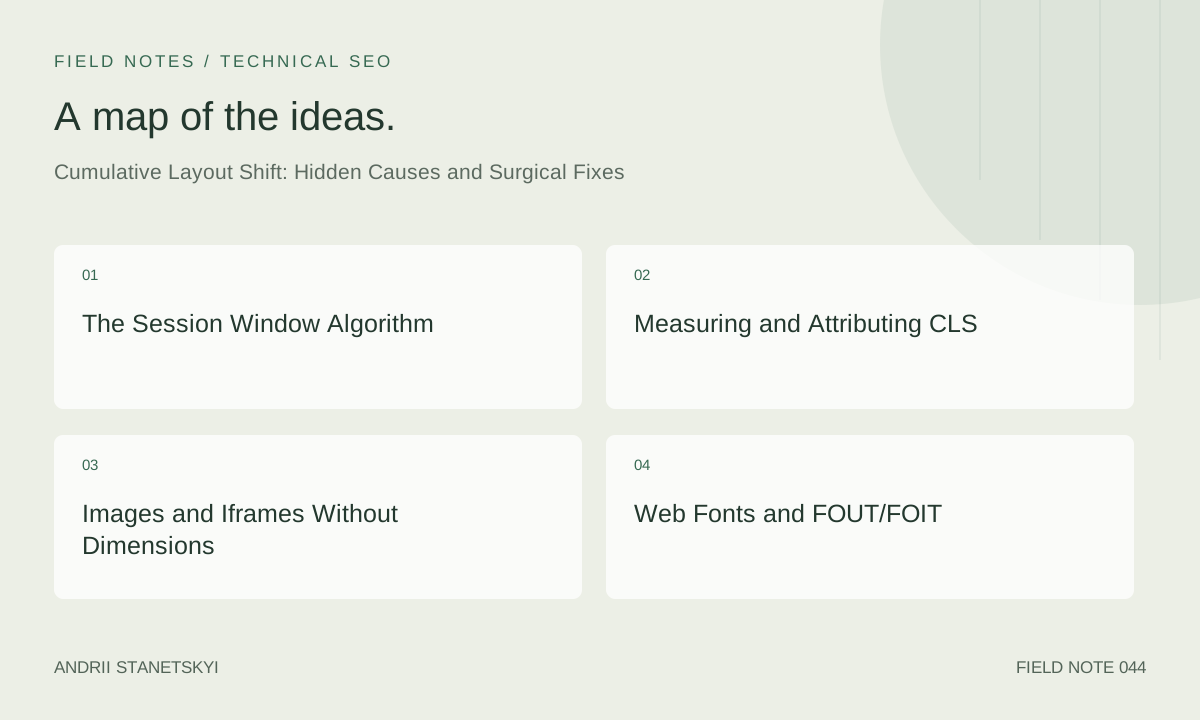
Cumulative Layout Shift (CLS) is the Core Web Vital that causes the most confusion in practice — not because the metric is complex, but because its causes are. A developer looking…
Read the field note ↗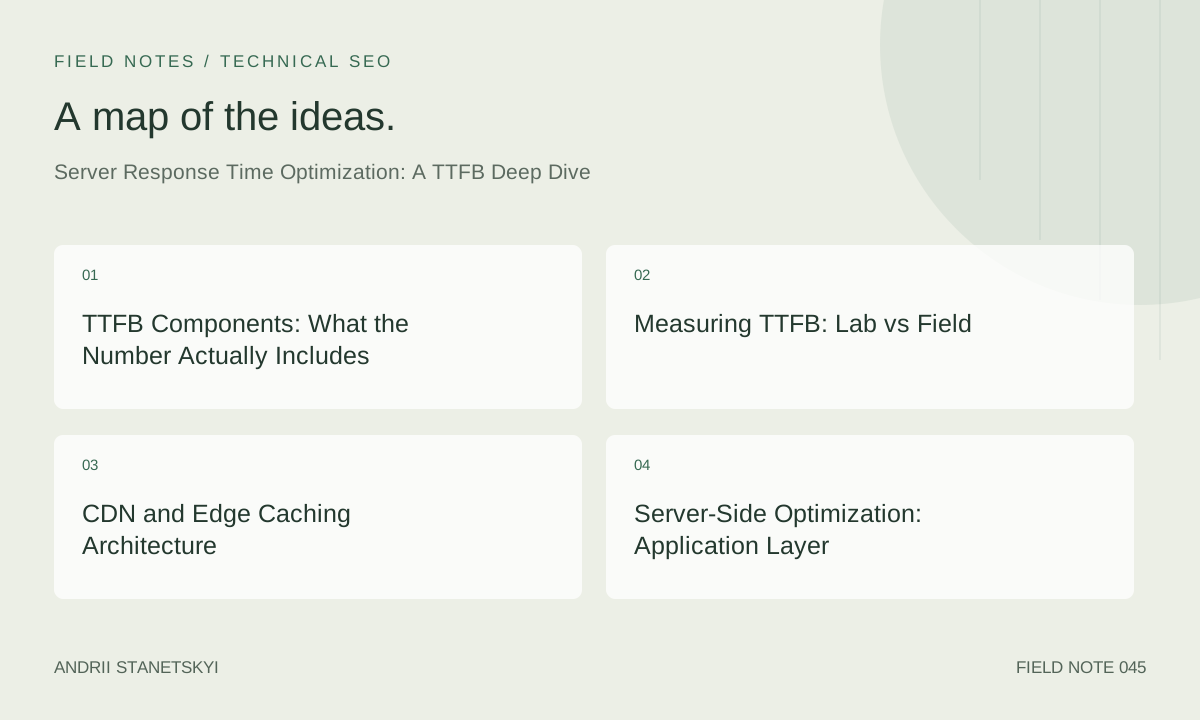
Time to First Byte (TTFB) is not a Core Web Vital, but it is the foundation on which every other performance metric is built. A TTFB of 1.5 seconds consumes 60% of the budget needed…
Read the field note ↗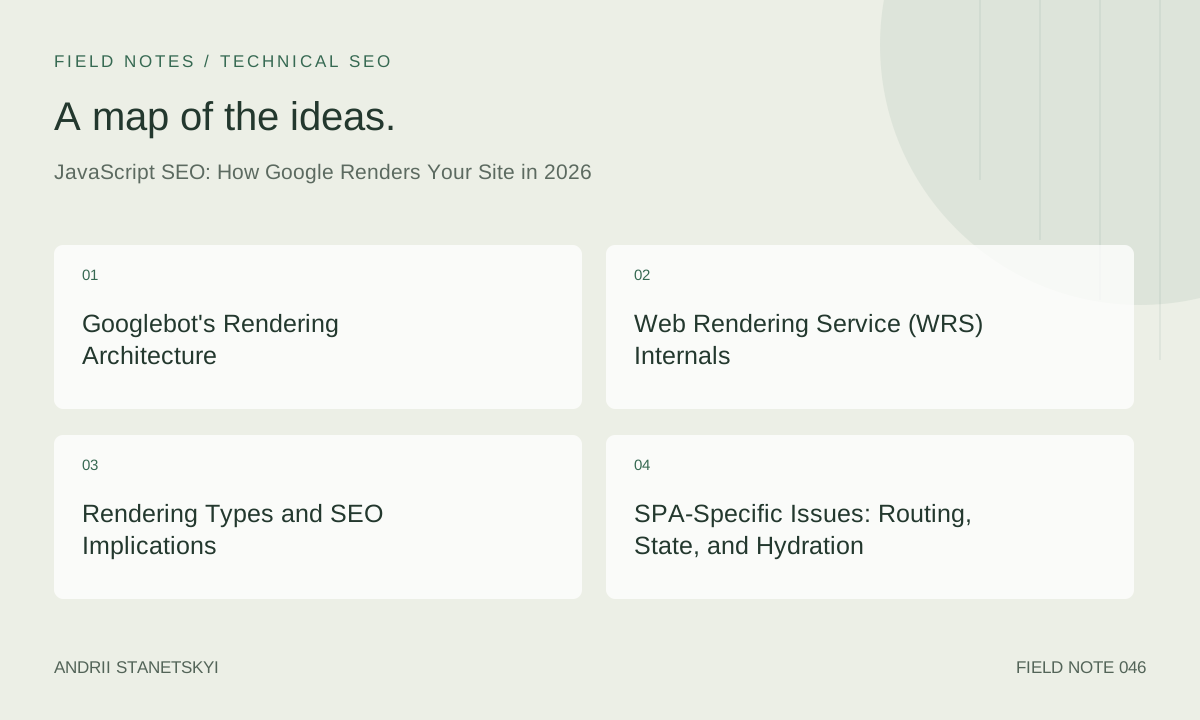
JavaScript SEO sits at the intersection of two disciplines that each get half the picture wrong in isolation. Frontend developers underestimate how differently Googlebot's rendering…
Read the field note ↗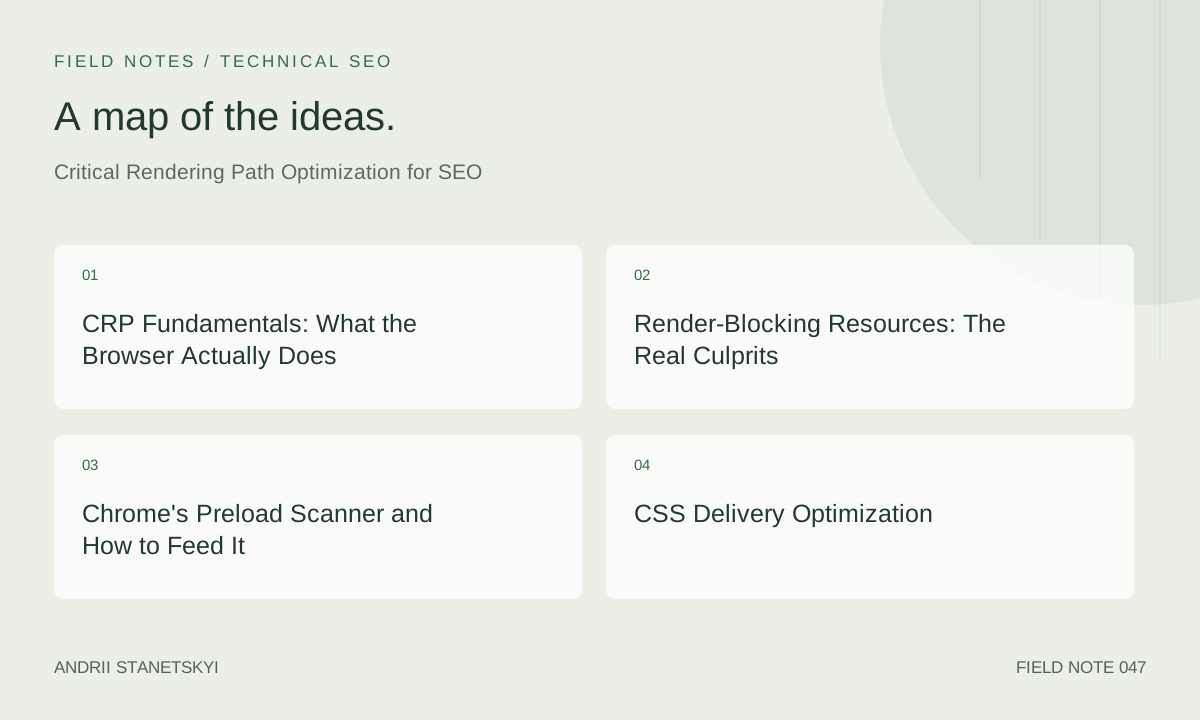
The critical rendering path (CRP) is the sequence of steps a browser must complete before it can paint the first pixels to the screen. Every millisecond spent parsing HTML, fetching…
Read the field note ↗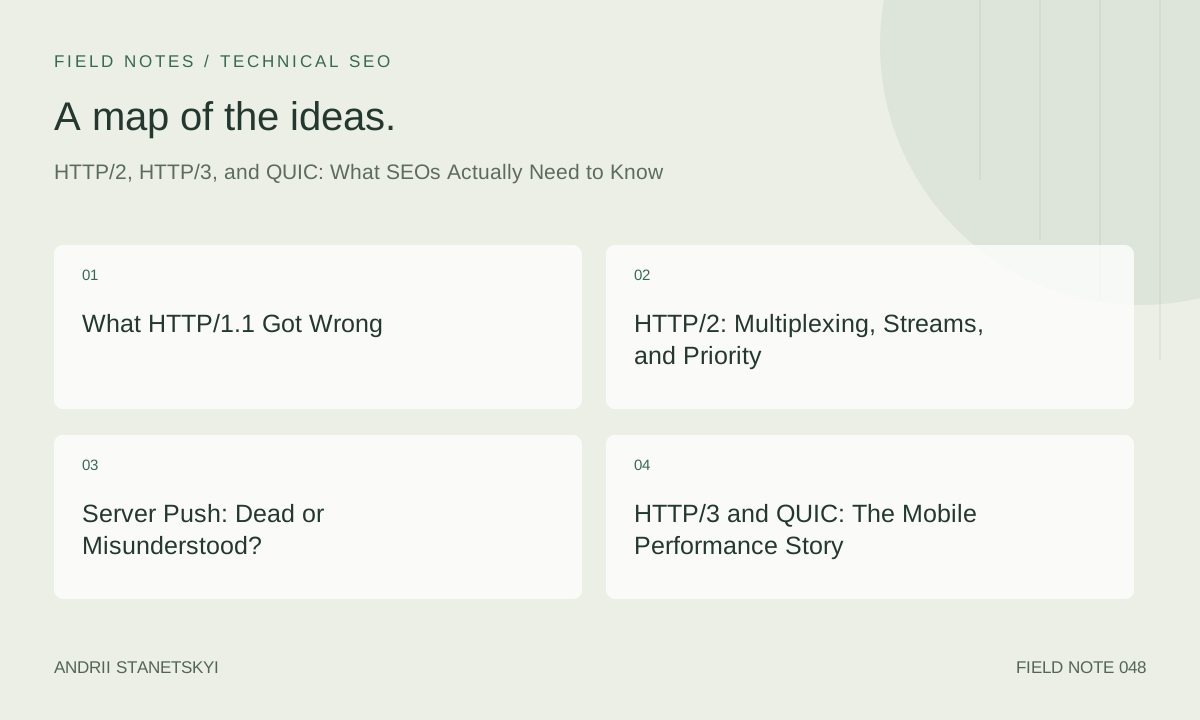
HTTP/2 shipped in 2015 and promised to fix the web's performance problems. HTTP/3 shipped in 2022 and made even bolder claims. As of 2026, over 60% of the top 10 million websites…
Read the field note ↗